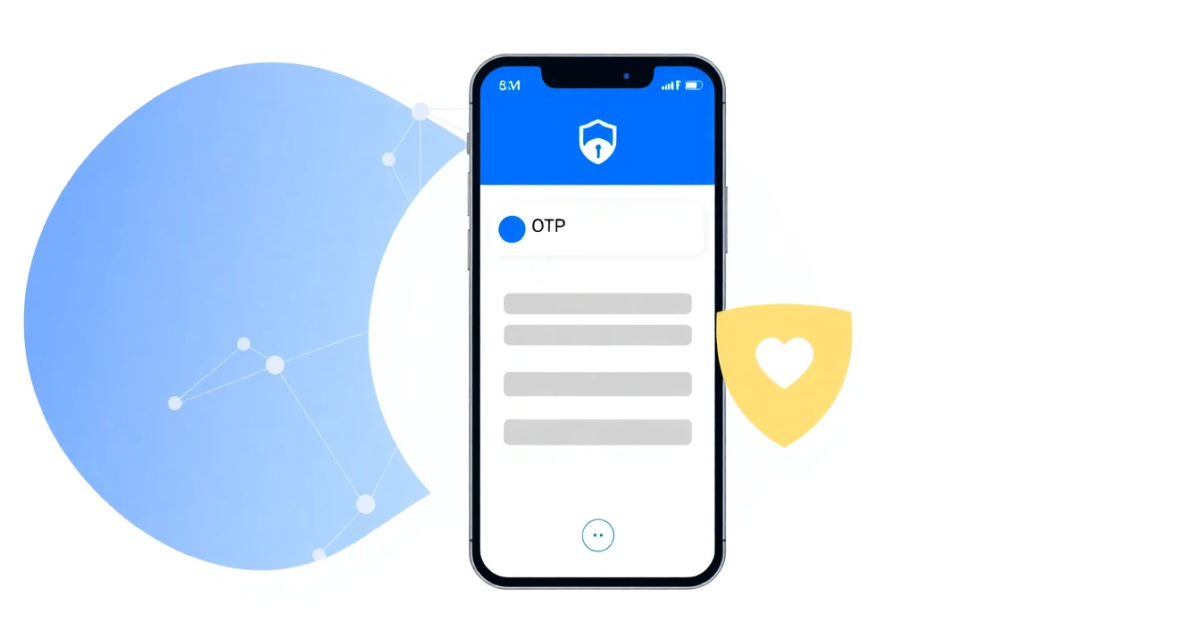
Your Coinbase Verification Code: What It Is and What to Do When It Fails
Waiting for your Coinbase verification code and watching the timer tick down without receiving an SMS can be frustrating. A Coinbase verification code is a temporary one-time password (OTP) sent to your mobile phone via short message service (SMS) or generated by an authenticator app to confirm your identity when logging in, withdrawing funds, or changing account settings. If the code does not arrive, carrier delays, network filters, or incorrect phone numbers are usually the cause.
Quick Answer
Your Coinbase verification code is a security token required to access your cryptocurrency account. If you are not receiving your code, check your mobile network connection, restart your device, or clear your message spam folder. If problems persist due to carrier blocks or temporary telecom issues, you may need to update your phone settings or contact Coinbase support.
- Check your carrier's signal strength and SMS storage.
- Avoid requesting too many codes in a short window to prevent temporary locks.
- Use an authenticator app instead of SMS for faster, more reliable verification.
Introduction
Cryptocurrency platforms like Coinbase use multi-factor authentication (MFA) to protect user accounts from unauthorized access. When you try to log into your dashboard, buy digital assets, or send cryptocurrency to an external wallet, the system demands proof that you are the rightful account holder. This proof usually arrives as a numerical sequence known as a verification code.
For a non-technical user, dealing with authentication failures can feel stressful, especially when funds are involved. Understanding why these codes fail, how the security mechanism operates behind the scenes, and what steps you can take to resolve delivery issues will help you regain access to your account safely and quickly.
What it means / how it works
When you trigger an action on Coinbase that requires security clearance, the platform generates a cryptographic token valid for a short window, usually between 5 to 10 minutes. This token is routed through an SMS gateway, handed off to telecommunication networks, and delivered to your mobile phone number.
Authentication mechanisms generally fall into three categories:
- SMS Verification: A 2-step verification method where a 6-digit code is sent to your mobile device via text message.
- Authenticator Apps (TOTP): Time-based one-time passwords generated locally on your smartphone via apps like Google Authenticator, Authy, or Duo, which do not rely on cellular network delivery.
- Security Keys (FIDO2/WebAuthn): Hardware keys like YubiKey that plug into your device or connect via NFC for cryptographic verification.
While SMS is the most common method used by beginners, it is also the most vulnerable to telecom issues, network congestion, and interception risks. If your mobile carrier blocks short codes or experiences routing delays, your verification code will fail to appear on your screen.
Practical scenarios
You may encounter verification code prompts across several routine and sensitive account activities. Recognizing these scenarios helps you anticipate when security checks will occur:
- First-time account login: Entering your email and password triggers an immediate request for your verification code before your portfolio dashboard loads.
- Logging in from a new device or browser: Coinbase recognizes your IP address and hardware fingerprint; logging in from an unrecognized laptop or phone triggers an extra security challenge.
- Withdrawing cryptocurrency or fiat: Moving Bitcoin, Ethereum, or cash out of your exchange account requires cryptographic confirmation to prevent unauthorized transfers.
- Adding a new payment method: Linking a bank account, debit card, or PayPal profile prompts a verification check to confirm identity.
- Changing account settings: Updating your password, email address, or phone number requires multi-step authentication to lock out potential account takeover attempts.
- Password recovery: If you forget your credentials, recovery flows rely heavily on verified mobile numbers or backup email links to prove ownership.
- API key generation: Creating programmatic access keys for trading bots or portfolio trackers mandates security verification.
- Clearing browser cache or cookies: Deleting browser data clears session tokens, forcing a fresh login and SMS code request.
Step-by-step
If you are locked out of your account because your Coinbase verification code is missing, follow these troubleshooting steps in order to diagnose and fix the issue:
Step 1: Check your network connection and device
Ensure your phone has an active cellular signal and can receive normal text messages. Toggle airplane mode on for 10 seconds, then turn it off to force your phone to reconnect to the nearest cell tower.
Step 2: Inspect spam and blocked message folders
Sometimes device security software, carrier filters, or built-in messaging app rules flag automated short-code messages as spam. Check your blocked contacts and filtered message lists.
Step 3: Wait out cooldown timers
If you click the "Resend Code" button repeatedly, Coinbase security systems may temporarily lock your phone number out to prevent automated bot flooding. Wait at least 10 to 15 minutes before requesting a new code.
Step 4: Switch to an authenticator app
If SMS messages continue to fail, log in using account recovery options if available and switch your 2-step verification method from SMS to a time-based authenticator app (TOTP). This bypasses cellular carrier delivery issues entirely.
Step 5: Contact Coinbase support
If your phone number has changed, your carrier has suspended your SIM card, or your account remains locked, submit a formal support ticket through the official Coinbase help center to initiate identity verification procedures.
Safety/privacy/legal
Securing your Coinbase account goes beyond simply receiving text messages. Because cryptocurrency transactions are irreversible, your account is a prime target for malicious actors.
Understand the following security realities to protect your digital assets:
- SIM-swapping risks: Criminals can manipulate cellular customer support representatives into transferring your phone number to a SIM card they control. Once they control your number, they receive your Coinbase verification codes and drain your wallet. This is why migrating away from SMS to authenticator apps is strongly recommended.
- Phishing attempts: Never share your verification code with anyone, including individuals claiming to be Coinbase support. Real support agents will never ask for your password, 2FA codes, or private keys.
- Public Wi-Fi vulnerabilities: Avoid accessing your crypto accounts on unsecured public networks without a secure virtual private network (VPN) or encrypted connection.
Maintaining good operational security ensures that your verification codes serve as a barrier protecting your funds rather than a single point of failure.
Best alternatives
While standard mobile carrier SMS is the default setup for many users, technical limitations like carrier outages, roaming issues, or privacy concerns often push users to explore alternative verification strategies.
For users who manage multiple digital accounts, testing application workflows, or handling online identity checks across various platforms, relying solely on personal phone numbers can become impractical. When testing services or managing secondary accounts where privacy is paramount, digital users often utilize alternative online verification services.
Platforms like PVACodes provide specialized SMS verification solutions, offering virtual phone numbers and temporary rental numbers designed to receive OTP messages online without exposing personal mobile numbers to every platform you interact with.
However, when dealing with high-value financial platforms like Coinbase, always rely on secure, permanent personal numbers or dedicated authenticator apps rather than public or temporary numbers, as financial institutions require strict compliance and consistent account recovery pathways.
Frequently Asked Questions
Why is my Coinbase verification code not arriving?
Common reasons include cellular network congestion, carrier filtering of automated short codes, weak signal reception, or clicking the resend button too many times, which triggers temporary rate-limiting blocks.
How long is a Coinbase verification code valid?
Most Coinbase SMS verification codes expire within 5 to 10 minutes of generation for security reasons. If you enter an expired code, the system will reject it and require a new request.
Can I use Coinbase without SMS verification?
Yes. You can disable SMS 2FA in your security settings and switch to a time-based one-time password (TOTP) authenticator app like Google Authenticator or a hardware security key.
What should I do if I lost access to my phone number?
If you no longer have access to your registered mobile number, you must use the Coinbase account recovery process, which typically requires submitting a government-issued photo ID and completing facial verification.
Is it safe to use SMS for cryptocurrency verification?
SMS verification is convenient, but it is vulnerable to SIM-swapping attacks and carrier interception. Authenticator apps and hardware security keys offer much higher levels of protection.
Why does Coinbase keep asking for verification codes?
Coinbase requests verification codes when it detects unusual login locations, new device fingerprints, cleared browser cookies, or sensitive account modifications to ensure you are the authorized owner.
What is a short code on Coinbase messages?
Short codes are specialized 5- or 6-digit phone numbers operated by automated SMS gateways used by financial institutions to broadcast high-volume verification messages efficiently.
Can I use a VoIP number for Coinbase?
Coinbase and most major financial institutions restrict or block Voice over IP (VoIP) numbers, internet-based phone lines, and disposable public numbers to comply with anti-fraud and anti-money laundering regulations.
How do I stop Coinbase from sending verification codes?
You cannot completely disable security verification codes while maintaining an active trading account, as they are mandatory safety mechanisms required by financial regulations and platform policies.
What is the difference between a password and a verification code?
Your password is a static secret phrase you create to access your account, while a verification code is a dynamic, single-use token that changes every time you log in or execute a sensitive action.
Conclusion
Dealing with your Coinbase verification code does not have to be a stressful experience once you understand how telecom delivery works and how to troubleshoot common delays. Always prioritize your account security by switching from vulnerable SMS methods to authenticator apps when possible, keeping your recovery details updated, and never sharing your codes with unverified third parties. If delivery problems persist, give your network time to reset or reach out directly to official support channels to secure your assets.
Need a number for Coinbase? Get a non-VoIP number that receives the code on the first try.
Get a Coinbase number