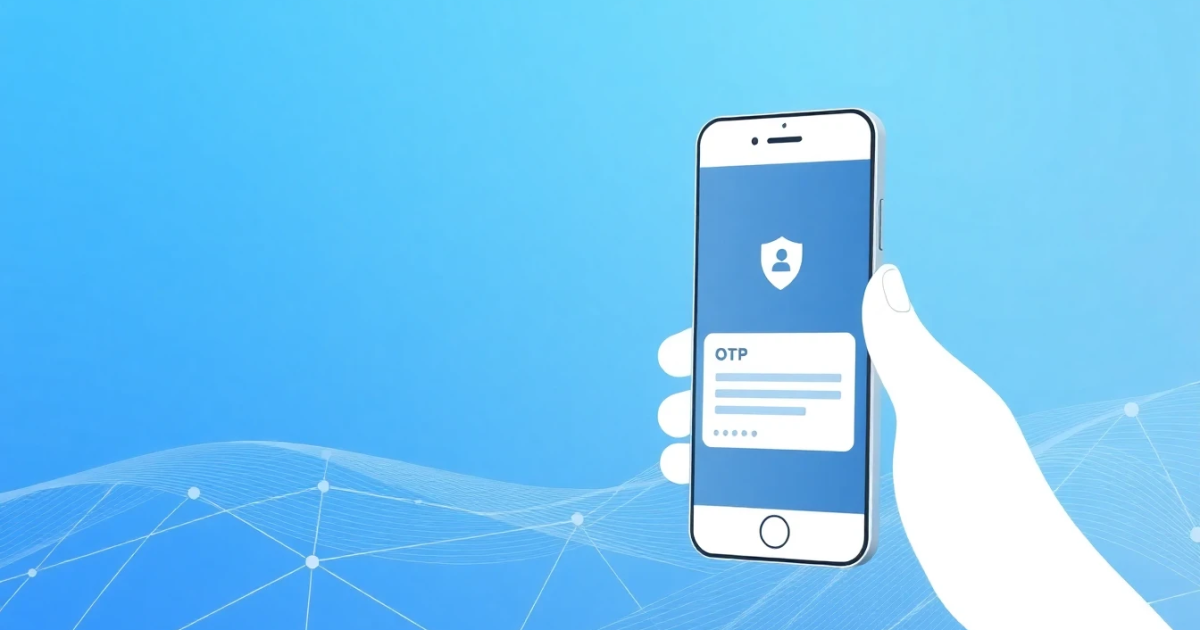
Temporary Phone Number .com Services: How Online SMS Verification Works
When you type "temporary phone number .com" into a search engine, you are usually looking for a quick way to receive a verification text message without using your personal mobile number. These websites provide online phone numbers that accept incoming short message service (SMS) texts from platforms like social media networks, messaging apps, and online service providers.
A temporary phone number lets you complete a phone verification step or receive a one-time password (OTP) without exposing your real phone number to public databases or marketing lists. However, not all websites that offer these numbers work the same way, and understanding the differences between public inboxes and private rental options can save you from failed verifications and security risks.
Quick Answer
Sites matching "temporary phone number .com" provide virtual numbers to receive SMS online without revealing your personal phone number. They are ideal for quick account verifications, but public free numbers are shared with everyone, meaning anyone can view your incoming messages. For private or long-term access, paid private numbers or rental options are generally required.
- Useful for one-off sign-ups, software testing, and temporary privacy.
- Public numbers expose incoming verification codes to anyone viewing the web page.
- Many popular apps block known virtual or VoIP number ranges to prevent automated sign-ups.
Introduction
Online privacy concerns and the steady requirement for phone verification on nearly every website have driven millions of users to search for temporary phone numbers. Whether you want to test a new software application, create a secondary account, or simply avoid giving your real digits to an unfamiliar merchant, a web-based SMS receiver seems like an easy fix.
However, navigating these platforms requires caution. Some domains offer free public inboxes where anyone can see the text messages sent to a listed number. Others require payment or account registration to give you an exclusive number that only you can access. Knowing how these services operate helps you choose the right option for your situation and protects you from security pitfalls.
What it means / how it works
A temporary phone number is a virtual phone number that operates over the internet rather than through a traditional cellular network linked to a physical SIM card. When someone sends an SMS to this number, the message travels through a telecom carrier to an SMS gateway, which then routes the data to a web-based dashboard or public inbox.
The core purpose of this technology is short message reception. Most temporary numbers cannot make outgoing calls or send text messages unless explicitly stated by the provider. There are two primary types of temporary numbers you will encounter online:
- Public virtual numbers: These numbers are displayed openly on websites for anyone to use. Any verification code or text message sent to them appears on a public web page visible to all site visitors.
- Private or rental virtual numbers: These numbers are assigned exclusively to a single user for a specific duration or transaction, ensuring that incoming messages remain private and hidden from the public.
When you use one of these numbers on an app or website, the platform sends a verification code via SMS. Your browser refreshes the provider's inbox page, the code appears on screen, and you type it into the app to complete your registration.
Practical scenarios
Users look for temporary phone numbers across a wide range of daily scenarios where privacy, convenience, or testing is necessary. Here are the most common situations:
- Creating secondary accounts: Setting up a second profile on a forum, gaming server, or classifieds marketplace without linking your primary personal mobile number.
- Software and app testing: Developers testing user registration flows, OTP delivery speeds, and multi-factor authentication triggers across different countries and carriers.
- Protecting privacy on classified ads: Buying or selling items locally online where you need to communicate or verify a listing without giving strangers your real phone number.
- Accessing region-locked content: Signing up for digital services, newsletters, or regional platforms that require a local phone number matching a specific country code.
- Preventing marketing spam: Avoiding promotional text messages, unwanted telemarketing calls, and data broker collection after registering for a free trial or whitepaper download.
- Managing temporary projects: Organizing short-term freelance work or temporary community groups where a dedicated project number is easier to manage than a personal line.
- Safeguarding personal data during travel: Setting up local hotel, Wi-Fi, or transport apps while abroad without exposing your primary mobile number to international data collection.
- Evaluating online services: Testing whether a subscription platform requires intrusive personal details before committing to a paid plan.
Step-by-step
Using a temporary phone number to complete an online verification typically follows a straightforward workflow. Here is how to use a virtual number safely and efficiently:
- Choose a reputable provider: Select a platform that offers the country code and number type required by the app you want to verify.
- Select a phone number: Browse the available list of numbers for your target country and choose one that matches your verification needs.
- Copy the number: Copy the full phone number, including the country code, to your clipboard.
- Paste into the target app: Open the website or mobile app where you need verification, paste the number into the phone field, and request the SMS code.
- Wait for the message: Return to the temporary number provider's inbox page and click refresh until the incoming message appears.
- Extract the code: Read the verification code or OTP from the message body.
- Complete verification: Enter the code into the app to finish creating or authenticating your account.
Safety/privacy/legal
While temporary phone numbers protect your personal mobile number from spam, they come with distinct safety and privacy trade-offs that you must consider before use.
Public exposure risks: If you use a free public number, anyone visiting the same web page can read your incoming text messages. This means if you use a public number to verify a sensitive account, a stranger could potentially view password reset codes and take over that account.
Number recycling: Virtual numbers are frequently recycled by providers. If an old number is reassigned to you, it may still be linked to a previous user's account on certain platforms. Conversely, if you stop renting a private number, someone else might eventually receive your verification texts.
Platform restrictions: Major technology platforms actively detect and block known virtual, VoIP, and temporary phone number ranges to prevent spam and bot registrations. If a platform rejects a number, you may need to try a different carrier prefix or a private rental number.
Legal compliance: Using virtual numbers is generally legal for privacy and testing purposes. However, using temporary numbers to commit fraud, bypass platform terms of service systematically, or engage in malicious activity violates terms of service and local laws.
Best alternatives
Depending on whether you need a quick one-time test or secure, long-term access to an account, different solutions provide better reliability than free public web inboxes.
If you need privacy without the security vulnerabilities of a shared public screen, you can use a paid private number or a temporary rental option. For users who need dedicated SMS verification across various global apps and country codes, PVACodes offers private virtual phone numbers designed for secure OTP reception and account authentication.
Other alternatives include secondary SIM cards (burner SIMs), VoIP provider apps like Google Voice or Skype for personal use, or dedicated enterprise SMS gateway APIs for developers.
Frequently Asked Questions
What is a temporary phone number .com?
It refers to websites that provide virtual phone numbers over the internet to receive SMS verification codes and text messages without using a personal mobile phone.
Are temporary phone numbers free to use?
Many websites offer free public numbers where messages can be viewed by anyone. However, private numbers, rental numbers, and numbers for high-security apps usually require payment.
Can I use a temporary number for WhatsApp or Telegram?
Some platforms block virtual or VoIP number ranges. While certain temporary numbers work, major messaging apps frequently update their filters to restrict shared or public numbers.
Is it safe to use a public temporary number for important accounts?
No. Because public numbers have open inboxes, anyone on the internet can read incoming messages, view your verification codes, and potentially access your accounts.
Why is my verification code not arriving?
Delivery delays can occur due to telecom carrier congestion, poor signal routing, or because the target app blocks the specific number range provided.
Can I make phone calls with a temporary number?
Most temporary SMS numbers are designed exclusively for receiving text messages and cannot make outgoing calls or send outbound SMS.
How long do temporary numbers stay active?
Free public numbers rotate frequently and may disappear or change daily. Rental numbers remain active for the duration of your paid subscription period.
What is the difference between a temporary number and a rental number?
A temporary number is often shared and short-lived, while a rental number is assigned exclusively to you for a set period, allowing you to receive multiple codes and log in repeatedly.
Do temporary numbers support two-factor authentication (2FA)?
They can receive 2FA codes if the target platform accepts the number range, but public numbers should never be used for long-term 2FA security.
How do I choose the right virtual number provider?
Look for providers that offer private numbers, good country coverage, responsive support, and clear terms regarding number exclusivity and privacy.
Conclusion
Temporary phone number websites provide a convenient way to receive online SMS messages without exposing your personal phone number to spam and data tracking. While free public inboxes work well for low-risk tests, they lack privacy and fail on many major platforms. For reliable account verification and repeat logins, private rental numbers remain the safest and most effective choice.