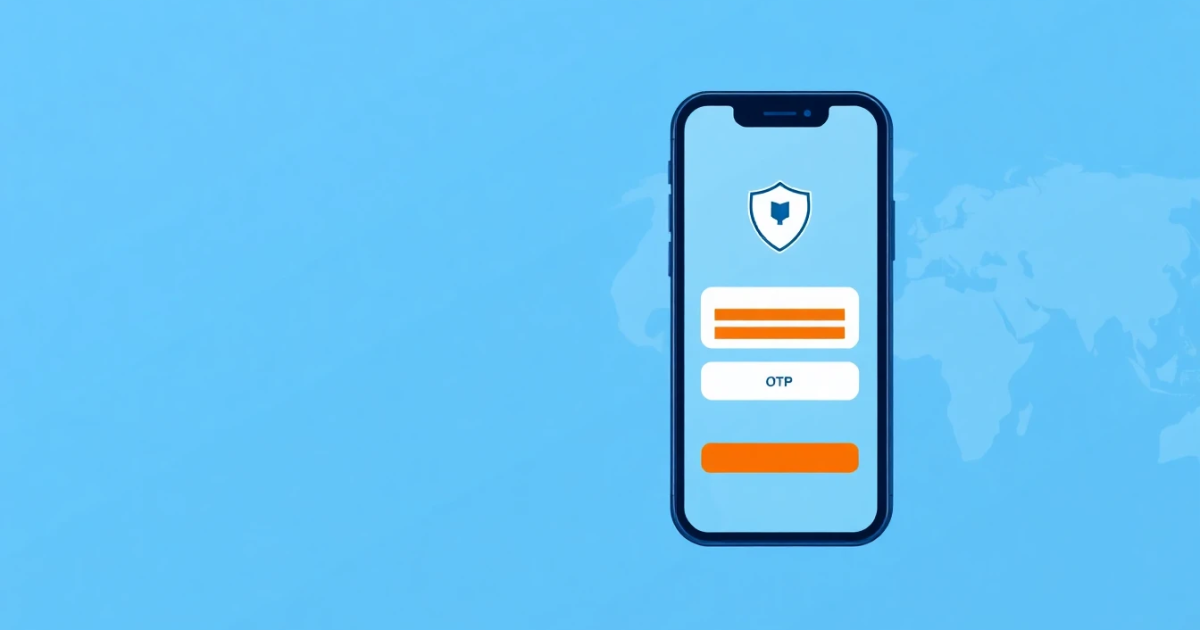
Why SendGrid Requires a Non-VoIP Phone Number for Verification
If you are trying to set up a SendGrid account and your phone number is being rejected, you likely ran into a strict platform security check. SendGrid often requires a non-VoIP number—meaning a traditional mobile or landline number—rather than a virtual internet-based phone line. This requirement helps platforms prevent automated account creation, spam, and fraudulent email campaigns.
Quick Answer
SendGrid restricts Voice over Internet Protocol (VoIP) numbers during registration to keep its email delivery infrastructure secure. If your internet-based phone number fails verification, you will need to use a standard mobile phone or a reliable alternative verification method that meets their security criteria.
- Why it happens: To block bots and automated email abusers.
- The main limitation: Many free or cheap virtual numbers are blocked automatically.
- Best fix: Use a verified mobile SIM or an alternative service that supports platform-compliant authentication.
Introduction
Email delivery platforms like SendGrid manage millions of messages every day. Because malicious actors often try to abuse these servers to send spam or phishing emails, email service providers enforce strict security measures right from the registration stage. One of the most common hurdles you might face is the phone verification step.
When you enter a phone number and see an error message, it is usually because the system detected a VoIP number. Understanding why this happens and what kind of number you actually need can save you time and frustration when setting up your email infrastructure.
What it means / how it works
To understand why SendGrid rejects certain numbers, you need to look at how telecommunications and platform security interact. Here is a breakdown of the key concepts:
- VoIP (Voice over Internet Protocol): These are phone numbers that route calls and text messages over the internet instead of traditional cellular towers or copper landlines. Examples include numbers from apps like Google Voice, TextNow, or various online VoIP providers.
- Non-VoIP number: This refers to a traditional telephone number tied to a physical SIM card issued by a mobile carrier (like AT&T, Vodafone, or Orange) or a standard landline provider. These numbers are much harder to obtain in bulk anonymously.
- SMS verification: A security process where the platform sends a one-time password (OTP) via text message to confirm that you are a real person with access to a legitimate device.
- Carrier databases: Platforms like SendGrid do not just look at the number prefix; they query telecom registry databases in real-time to identify the underlying network type of the phone number you entered.
- Fraud scoring: Automated systems assign a risk score to every registration attempt. VoIP numbers carry a higher risk score because they can be created anonymously and disposed of quickly.
- Infrastructure protection: By filtering out anonymous numbers, SendGrid protects its sender reputation. If spammers could easily use temporary internet numbers, SendGrid's servers would quickly get blacklisted by major inbox providers like Gmail and Outlook.
Practical scenarios
You might encounter the non-VoIP requirement in several common situations:
- Setting up a new marketing account for a small business using an internet-based business line.
- Registering from a country where traditional mobile plans are difficult to link to international platforms.
- Attempting to use a free online messaging number to bypass personal phone verification.
- Managing multiple client accounts where physical SIM cards are not readily available on your desk.
- Re-authenticating an existing account after SendGrid triggers a security re-check.
- Transitioning from a basic shared hosting setup to a dedicated transactional email provider.
- Testing email APIs from a development environment where physical mobile devices are out of reach.
- Working remotely in a region where your primary mobile carrier's SMS delivery fails to reach international gateways.
Step-by-step
If you need to get past the SendGrid phone verification screen successfully, follow this structured approach to ensure your number is accepted:
- Check your current number type: Verify whether the number you are using belongs to a cellular carrier or an internet-based app. If it is a VoIP number, expect it to be flagged.
- Prepare a valid mobile number: Locate a standard mobile phone with an active SIM card that can receive incoming SMS messages without filtering.
- Clear your browser cache: If you previously attempted verification with a blocked number, clear your browser cookies or try an incognito window to prevent session errors.
- Enter the number in international format: Include the correct country code (for example, +1 for the US or +44 for the UK) without adding extra zeros or dashes.
- Request the verification code: Click send and wait for the one-time password to arrive on your device. Keep in mind that network congestion can occasionally cause slight delivery delays.
- Input the OTP promptly: Enter the code before it expires. Most verification codes have a time window of 5 to 10 minutes.
- Complete account setup: Once verified, proceed with setting up your API keys, domain authentication, and sender identity.
Safety/privacy/legal
Phone verification requirements raise valid questions about user privacy and data security. Platforms collect this information primarily for accountability and abuse prevention, but users must also protect their personal data.
When you provide a phone number to a major tech platform, it is typically hashed and stored securely to prevent duplicate account creation by bad actors. However, many users prefer not to link their personal mobile numbers to every business software they test.
Legally and structurally, platforms have the right to set terms of service that require identity verification. Violating these terms by attempting to bypass security checks using fraudulent methods can lead to immediate account suspension. If your account is suspended due to verification discrepancies, recovering your email delivery service can become a difficult administrative hurdle.
Best alternatives
If you do not want to use your personal mobile number, or if your business operations require dedicated verification solutions, you have a few options to consider:
Many users look for specialized telecom services when traditional mobile lines are unavailable. For instance, PVACodes can be considered as an alternative SMS verification solution that offers access to non-VoIP numbers for various online platforms, helping users complete account setups securely without exposing personal contact details.
Other alternatives include utilizing corporate mobile plans provided by your employer, purchasing local prepaid physical SIM cards, or using secondary numbers directly tied to traditional cellular networks rather than internet VoIP applications.
Frequently Asked Questions
Q: What is a non-VoIP number?
A non-VoIP number is a traditional telephone number linked to a physical mobile carrier or landline network. Unlike internet-based phone services, these numbers require a physical SIM card or wired connection, making them more trusted by online platforms.
Q: Why does SendGrid block VoIP numbers?
SendGrid blocks VoIP numbers to prevent spammers and malicious actors from creating anonymous, disposable accounts. This security measure protects the platform's overall email deliverability and keeps server IP addresses off global spam blacklists.
Q: Can I use Google Voice for SendGrid verification?
In most cases, Google Voice numbers are classified as VoIP and will be rejected by SendGrid's security filters. Platforms look for carrier-backed mobile or landline numbers during the registration process.
Q: What should I do if my verification code does not arrive?
If your code does not arrive within a few minutes, check your signal strength, ensure your phone can receive international SMS messages, and verify that you entered the correct country code. If problems persist, request a new code or try an alternate network.
Q: Is it safe to use my personal mobile number for SendGrid?
Yes, using your personal mobile number is generally safe and is the standard method recommended by platforms. Companies use this data strictly for account security, verification, and recovery purposes.
Q: Do temporary free SMS websites work for SendGrid?
No, public temporary SMS websites use numbers that are already blacklisted by major platforms. SendGrid's automated systems immediately flag and reject public virtual numbers to maintain security standards.
Q: How can I tell if a phone number is VoIP or mobile?
You can check a number's carrier type using online telecom lookup tools or number database APIs. These tools query registry data to show whether a number belongs to a mobile operator or a virtual VoIP provider.
Q: What happens if my account fails phone verification?
If your account fails phone verification, you typically will not be able to access the dashboard or send emails until the issue is resolved. You will need to provide a valid, accepted phone number to complete the verification step.
Q: Are rental phone numbers considered non-VoIP?
It depends entirely on the provider. Some rental services offer virtual VoIP lines, while specialized providers supply carrier-connected numbers designed specifically to pass platform security checks.
Q: Can I change my phone number after SendGrid account creation?
Yes, once your account is active, you can typically update your security settings and contact information within your account dashboard, though you may need to verify the new number through another OTP check.
Conclusion
Navigating phone verification requirements can be frustrating when your preferred phone number gets flagged. Because SendGrid relies on strict security protocols to keep its email network safe from abuse, using a genuine non-VoIP mobile number is usually the most straightforward path to successful registration.
Evaluate your options based on your privacy needs and operational scale. Whether you use a standard mobile SIM or explore alternative verification resources, ensuring your phone number meets carrier-backed criteria will help you set up your email infrastructure without unnecessary delays.