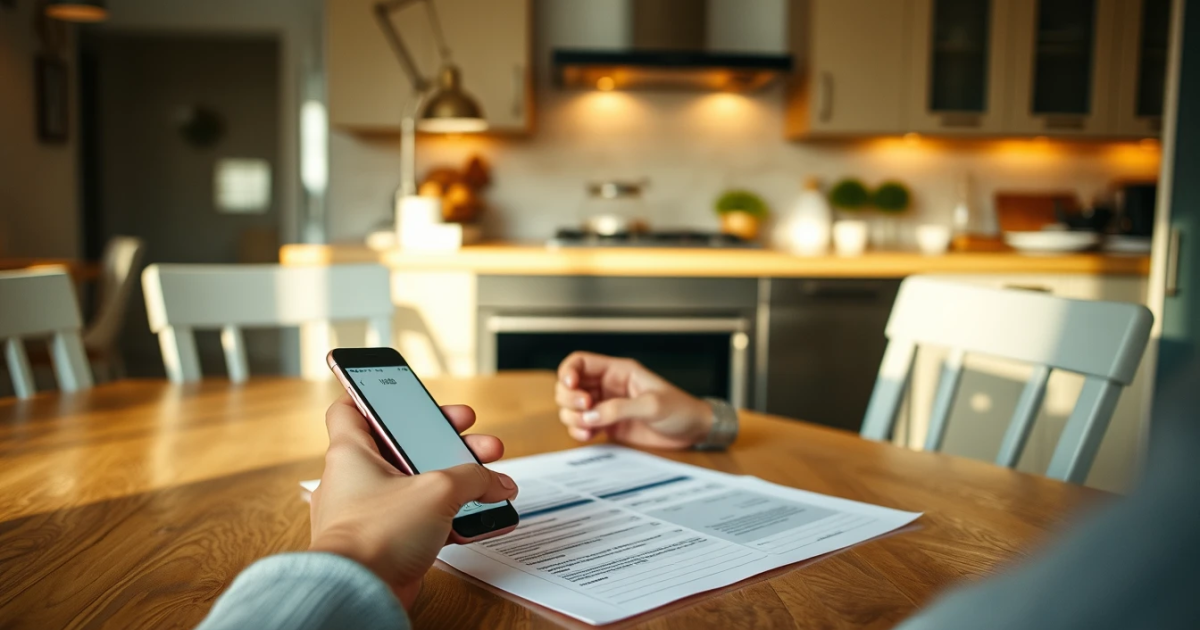
Westpac Verification Code: How to Fix Missing SMS OTPs and Troubleshoot Login Issues
When you are staring at a Westpac login screen waiting for a Westpac verification code that refuses to land on your phone, every second counts. You just want to check your balance, pay a bill, or move money, and a missing text message brings your entire banking session to a screeching halt.
Most banking verification issues stem from simple carrier delays, poor cellular reception, or outdated contact details sitting in your profile. Australian banking security systems run strict checks on every inbound SMS message, meaning even a minor network hiccup can drop an OTP (one-time password) before it hits your lock screen. Understanding how the delivery mechanism functions helps you diagnose whether the fault lies with your carrier, your device, or the bank.
What is a Westpac Verification Code and How Does It Work?
A Westpac verification code is a time-sensitive, six-digit numeric code sent via SMS (Short Message Service) as part of a 2FA (two-factor authentication) process. Whenever you log into Westpac Online Banking, authorize a new payee, or update sensitive account information, the security gateway triggers an automated message to your registered mobile number.
Banks dispatch these texts through commercial aggregator gateways rather than standard mobile phones. These gateways rely on telecommunications routes that occasionally experience congestion, especially during peak morning and evening hours. If your carrier flags the gateway sender ID by mistake, or if your phone blocks short-code messaging, the message vanishes into the ether without ever generating an audible notification.
For users who manage multiple accounts or require international accessibility, relying solely on local SIM cards can become a logistical hurdle. While some people look into alternative communication setups such as a temporary phone number for low-security web services, high-security financial institutions like Westpac require strictly registered, compliant mobile numbers tied directly to your verified legal identity.
Prerequisites Before Requesting a New Code
Before you smash the resend button three times in a row, take a breath and verify a few basic operational conditions. Spamming the request button often triggers automated rate-limiting protocols on Westpac's servers, locking you out of the login portal for up to thirty minutes.
- Check your cellular signal strength: A single bar of 3G or erratic LTE coverage will delay incoming text messages indefinitely. Move near a window or step outside.
Clear device storage space: If your internal storage is completely full, your operating system may silently reject incoming messages until space is freed.
Disable Do Not Disturb mode: Focus modes and DND settings frequently suppress notification banners for incoming verification codes, making it look like the text never arrived when it is actually sitting unread in your messaging app.
Verify your SIM status: Ensure your phone recognizes your SIM card and hasn't dropped into an emergency-only state due to an unpaid bill or a loose tray.
If you have recently traveled overseas or switched telecommunications providers, your profile might be out of sync. Financial institutions require exact matching data between your SIM registration and the phone number stored in your online banking profile.
Step-by-Step Troubleshooting When Your Code Doesn't Arrive
When the standard wait time of sixty seconds passes with no message in sight, follow this sequence to force the delivery or bypass the blockage.
- Wait a full two minutes before clicking resend. Interrupting an active delivery cycle by requesting a second code invalidates the first one immediately.
- Restart your smartphone completely. A cold reboot forces your device to re-register with local cell towers and clears stuck message queue logs.
- Check your phone's blocked contacts and spam folder. Occasionally, aggressive filtering software misidentifies automated banking short-codes as junk mail.
- Toggle Airplane mode on for ten seconds, then turn it off. This action forces a fresh handshake with your carrier's nearest cell tower.
- Try the alternative voice call verification option if the banking interface permits it. An automated voice call often bypasses carrier SMS routing filters entirely.
If none of these steps work, the underlying issue usually involves a carrier-side routing filter blocking automated financial aggregators. Some regional networks drop short-code traffic if they suspect spam activity on their towers.
Common Places People Get Stuck
Users frequently run into specific roadblocks during the Westpac verification process that standard tutorials ignore. Recognizing these exact scenarios saves you from endless frustration.
The most common trap is the "Invalid Code" error message that appears even though you typed the numbers correctly from your screen. This happens when you accidentally requested multiple codes in rapid succession. Your phone receives code number two, but you type in code number one from memory, leading to an immediate mismatch error on the login portal.
Another frequent stumbling block occurs when attempting to log in while connected to a public Wi-Fi network using a Virtual Private Network (VPN). Westpac's fraud detection algorithms analyze IP geolocation data. If your VPN places your connection in a foreign country while your phone number is Australian, the security system may trigger an internal flag or delay the OTP dispatch while running secondary manual verification checks.
| Issue Symptom | Likely Cause | Recommended Fix |
|---|---|---|
| Code arrives after 15 minutes | Carrier network congestion or tower queue delay | Do not use expired codes; request a fresh one after rebooting. |
| No text message at all | Short-code blocking enabled on your SIM plan | Contact your mobile carrier to lift restrictions on automated alerts. |
| "Access Denied" upon entry | VPN or proxy server active on your device | Turn off your VPN and switch to standard mobile data. |
Frequently Asked Questions
Why does my Westpac verification code take so long to arrive?
Most delays happen because of heavy traffic on your mobile carrier's network routing gateways. If you are in an area with poor reception or if your phone is currently switching between cell towers, the message delivery queue gets temporarily paused until a stable connection is re-established.
What should I do if my phone number changed recently?
You cannot receive a standard SMS verification code if your old number is still attached to your profile. You will need to contact Westpac customer support directly through their official phone channels or visit a physical branch with photo identification to update your primary contact details securely.
Can I use a landline number to receive a Westpac verification code?
Standard landlines cannot receive text messages natively. However, many banking systems offer an option to receive verification codes via an automated voice call to a fixed landline number instead of an SMS.
Why does the verification screen say my code is expired?
Westpac verification codes feature a short security window, usually lasting between three to five minutes. If you switch away from the app to copy the numbers or if your device clock is out of sync with network time, the code will lapse before you submit it.
Does PVACodes work for Westpac verification?
No, virtual temporary numbers cannot be used for primary Australian banking verification. Major financial institutions enforce strict non-VoIP carrier compliance checks that automatically reject virtual or disposable phone numbers for security and anti-fraud regulations.
Is it safe to resend the verification code multiple times?
Requesting a code once or twice is normal. However, clicking the resend button five or six times in a row will lock your account temporarily due to automated security rules designed to prevent brute-force bot attacks.
Getting locked out of your online banking profile creates an immediate headache, but methodical troubleshooting usually resolves missing SMS issues within a few minutes. Check your signal, clear your message queue, avoid using active VPN tunnels, and ensure your carrier isn't blocking incoming short-codes.