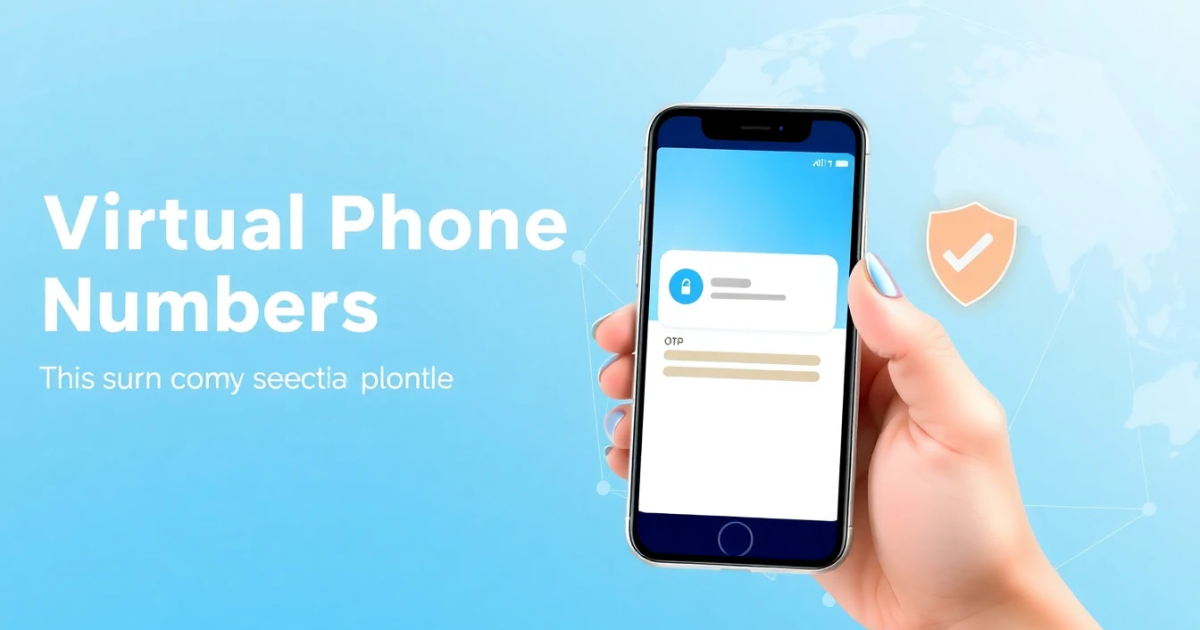
Virtual Phone Numbers for SMS: A Complete Guide to Receiving Messages Online
A virtual phone number for SMS is a cloud-hosted telephone number designed to receive text messages over the internet instead of through a physical SIM card. It allows you to receive verification codes, one-time passwords, and text alerts without sharing your personal phone number. While convenient for privacy and testing, public free numbers carry security risks and may not work for every online platform.
Quick Answer
Virtual SMS numbers let you receive text messages online via a web browser or app. They are useful for protecting your personal privacy, managing secondary accounts, or testing software integrations. However, you should avoid using public free numbers for sensitive personal accounts because anyone can view incoming messages in a shared inbox.
- Choose a private temporary or rental number for account security
- Watch out for carrier blocks on certain VoIP and virtual ranges
- Select your provider based on the specific country and app you need
Introduction
When you sign up for a new website, app, or online service, many platforms require you to enter a mobile phone number to complete an SMS verification check. For privacy-conscious users, app developers, or digital marketers managing multiple accounts, handing over a personal phone number is often undesirable. This is where virtual phone numbers for SMS come into play.
Instead of relying on a traditional carrier contract and a physical device tied to your name, a virtual number operates entirely in the cloud. Messages sent to the number are routed to an online dashboard or public inbox. Understanding how these numbers function, where they work, and what limitations to expect will help you decide whether a free public inbox, a temporary number, or a paid rental option suits your situation.
What it means / how it works
A virtual phone number is not tied to a specific copper wire or a physical SIM card sitting inside a smartphone. Instead, it utilizes Voice over Internet Protocol and cloud routing technologies. When someone sends an SMS to a virtual number, the carrier network delivers the message to a cloud server, which then displays the text in a web interface, user dashboard, or application programming interface.
To understand the technology, it helps to know a few standard terms:
- SMS Verification: The process where a platform texts a code to a phone number to prove that a real user is registering.
- OTP (One-Time Password): A temporary numeric or alphanumeric code that expires after a few minutes, used for secure logins.
- VoIP (Voice over Internet Protocol): Technology that allows phone calls and messages to travel over internet data connections rather than traditional cellular circuits.
- Non-VoIP Numbers: Numbers assigned to traditional mobile or cellular carriers, which many strict apps prefer because they are less commonly used for automated signups.
When you use a service to receive an SMS online, you generally select a country and a phone number from an available pool. Once the platform sends the verification text, your browser or app refreshes to show the incoming message content. Delivery times usually range from a few seconds to a couple of minutes, though network congestion or carrier filtering can occasionally cause delays.
Practical scenarios
Virtual SMS numbers serve several practical purposes across different industries and everyday use cases. Here are common scenarios where people use them:
- Protecting Personal Privacy: Signing up for classified ads, forums, or niche websites without exposing your real mobile number to potential spam or data leaks.
- App and Software Testing: Quality assurance engineers testing user registration workflows and automated SMS triggers across multiple country codes.
- Managing Secondary Accounts: Creating separate business profiles on social media platforms where you need a dedicated number distinct from your personal device.
- Traveling Abroad: Receiving text messages while overseas without paying expensive international roaming fees on your primary SIM card.
- Market Research: Registering for regional services or localized platforms that require a phone number native to that specific country.
- Avoiding Telemarketing Calls: Keeping your main phone number off marketing lists by using a disposable or temporary number for online retail checkouts.
- Freelancer Client Communications: Handling client-facing project verifications or temporary access credentials without mixing business text alerts with personal messages.
- Open-Source Intelligence (OSINT): Investigating online entities or verifying digital footprints securely during cybersecurity research.
Step-by-step
Using a virtual phone number to receive an SMS typically follows a straightforward workflow. While exact interfaces vary by provider, the core steps remain consistent:
- Choose a Provider: Select a platform that offers virtual numbers for the specific country and application you need.
- Select a Country and Number: Browse the available list of country codes (such as +1 for the United States, +44 for the United Kingdom, or +33 for France) and choose an active number.
- Enter the Number on the Target App: Copy the virtual number and paste it into the registration or verification field of the website or mobile app you are trying to use.
- Request the Code: Click the button on the target platform to send the SMS verification code or OTP.
- Refresh the Inbox: Return to your virtual number dashboard or inbox and wait for the message to appear.
- Complete Verification: Copy the code from the incoming message, paste it back into the target app, and finish your account setup.
Safety/privacy/legal
Using virtual numbers involves distinct privacy and security considerations. Not all virtual numbers offer the same level of confidentiality, and platform rules vary regarding what types of numbers are accepted.
Public free SMS inboxes are entirely open to the public. Anyone visiting the website can view all incoming messages. This means if you use a public number to verify an account, anyone else can view your verification code and potentially access your account. For this reason, free public numbers should only be used for low-risk, disposable tasks where account security does not matter.
Private rental numbers or temporary paid numbers offer better isolation because the inbox is restricted exclusively to you during your session. However, major tech platforms and financial institutions often monitor carrier databases to detect virtual or VoIP number ranges. If a platform flags a number range as virtual, it may block the registration attempt or demand additional identity verification, such as photo ID or a traditional mobile carrier check. Always ensure your use case complies with the terms of service of the platforms you interact with.
Best alternatives
When selecting a service to receive verification codes online, your choice depends on your security needs, budget, and whether you need the number once or for ongoing account recovery.
| Option | Best For | Privacy Level | Works For Repeat Login? | Main Limitation |
|---|---|---|---|---|
| Free public number | Quick low-risk tests | Low | No | Messages are visible to everyone |
| Temporary number | Short-term verification | Medium | Usually no | Access expires quickly |
| Rental number | Repeat OTP and relogin | Higher | Yes during rental period | Costs more than public numbers |
If you need a reliable private option for receiving verification codes without exposing your personal SIM card, PVACodes provides a structured SMS verification solution with numbers across multiple countries and app-specific routes.
Frequently Asked Questions
What is a virtual phone number for SMS?
A virtual phone number is a cloud-based telephone number that receives text messages over the internet instead of through a physical mobile carrier SIM card.
Can I use a virtual number for WhatsApp or Telegram?
Many apps accept virtual numbers, but strict platforms frequently update their carrier filters. Success depends on whether the platform allows VoIP or virtual number ranges at the time of registration.
Are free virtual numbers safe to use?
Free public virtual numbers are not safe for private accounts because their inboxes are visible to everyone on the internet. Anyone can see your verification codes.
Why did my verification code not arrive?
Codes may fail to arrive due to carrier filtering, network congestion, incorrect number formatting, or because the target platform blocks specific virtual number ranges.
What is the difference between a temporary number and a rental number?
A temporary number is typically used once for a single verification message, whereas a rental number lets you keep the same number for a longer period to receive repeat login codes.
Do virtual numbers work internationally?
Yes. You can rent or access virtual numbers from dozens of different countries and receive SMS messages from anywhere in the world with an internet connection.
Will I receive phone calls on a virtual SMS number?
Some virtual numbers support both voice calls and SMS, while others are restricted strictly to text messages. Check the specific provider features before choosing a number.
Can I use a virtual number for banking and financial accounts?
Most banks and financial institutions strictly require traditional, non-VoIP mobile or landline numbers tied to your legal identity for security and anti-fraud compliance.
What happens when my temporary number expires?
Once a temporary number expires, you lose access to the inbox, and the number may be recycled and assigned to another user in the future.
How do I format the phone number when entering it into an app?
Always include the correct country code without adding extra zeroes or symbols unless the input field explicitly requests them. Follow the platform's formatting prompt.
Conclusion
Virtual phone numbers for SMS offer a practical way to receive verification codes and protect your personal privacy online. Whether you choose a free public inbox for a quick test or a private rental number for ongoing account management, understanding the limitations regarding carrier blocking and inbox visibility is essential. Evaluate your specific app and country requirements before selecting a service to ensure smooth message delivery.