Virtual Phone Number for Venmo: Does It Work?
Usually not. Venmo requires a real U.S. mobile number tied to an actual carrier line, and most virtual numbers (the internet-based VoIP kind) get rejected or fail to receive the verification text. A few options can work in narrow cases, and one of them is simply a better plan than a virtual number.
This guide is for anyone trying to sign up for Venmo, or move an existing account, without handing over their main phone number. We'll cover what actually happens, which routes are realistic, and where they break.
Quick answer
Venmo needs a U.S. number that can receive SMS and passes its carrier checks. Free and VoIP virtual numbers often fail. A real prepaid SIM or a carrier-backed secondary line is the most reliable choice. The main catch: Venmo ties the account to that number for security, so losing access to it can lock you out.
Why Venmo is picky about phone numbers
Venmo moves money. That makes it a target for account takeovers, so the app treats your phone number as a core identity check, not a convenience. It sends a one-time password (OTP) by text, and that same number is used later for logins on new devices and for two-factor authentication (2FA).
Because of that, the number needs to be U.S.-based, able to receive standard SMS, and not flagged as disposable. Numbers from public free-SMS websites are the worst offenders. Dozens of strangers have already used them, and the code often shows up on a page anyone can read. Don't use those for a payment account.
The realistic options, compared
| Option | Likelihood with Venmo | Main tradeoff |
|---|---|---|
| Free public SMS number | Very low | Shared, readable by others, usually blocked |
| VoIP virtual number (app or rental) | Hit or miss, often rejected | Cheap and private, but flagged as non-mobile |
| Prepaid SIM or secondary mobile line | High | Costs a monthly or one-time fee, needs a device or eSIM |
That's the whole field. Anything else is a variation on one of these three.
When each option fits
Public free numbers
Skip them. Even if the code arrives, anyone watching the same page can see it, and you'd be attaching money movement to a number you don't control. There's no good use case here.
VoIP virtual numbers
These are worth a try if you just want to keep your main number off a new account and you're comfortable with the risk of failure. Some rental services offer numbers that behave more like mobile lines, and results vary by provider and by the day. For users who want a paid private option, PVACodes offers rental numbers for many apps, though availability for any specific service changes and you should check current listings before paying.
If the code never shows up, our walkthrough on what to check when a Venmo OTP doesn't arrive covers the usual causes before you assume the number is the problem.
A real prepaid SIM or eSIM line
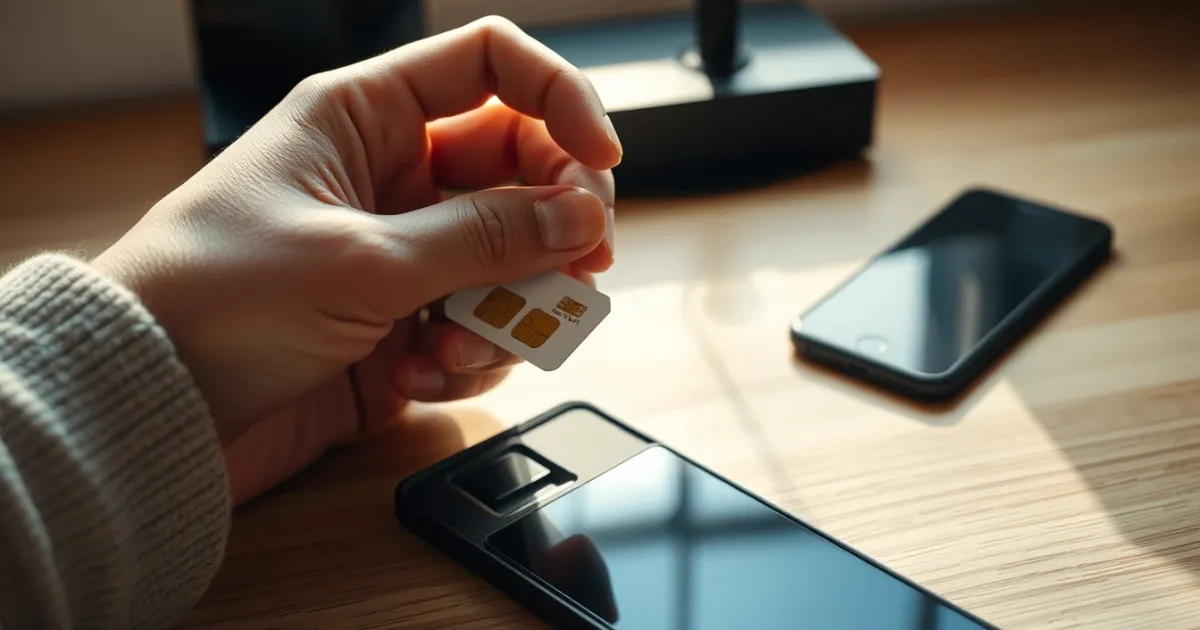
This is the dependable route. A prepaid plan from a U.S. carrier gives you a genuine mobile number that Venmo treats like any other customer's. Many people pick an eSIM so they don't need a second physical phone. It costs more than a virtual number, and you have to keep the line active, because carriers recycle numbers after a period of inactivity. A recycled number can end up with a stranger, who could then receive your Venmo login codes.
A limitation worth knowing before you start
Even if a virtual number gets you through signup, it can fail later. Venmo can re-verify your number when you log in on a new device, change a password, or raise your sending limits. If your rental number expired or your provider reassigned it, that code goes nowhere, and you can't prove the account is yours.
Recovery is slow in that situation. Support generally needs you to verify identity another way, and being unable to receive texts on the number on file is a common reason accounts stay locked for days. So a short-term rental number is a poor fit for an account you plan to keep and use for real money. We see this pattern in support questions often: signup works on day one, then the number lapses a month later.
Practical setup tips if you try a virtual number anyway
- Pick a number that is explicitly U.S. and SMS-capable, with the country code +1 and a ten-digit number after it.
- Enter it in the standard format Venmo asks for, without extra zeros or the plus sign unless prompted.
- Request the code once, then wait a full two minutes before asking again. Repeated requests can trigger throttling.
- If it fails twice, change numbers instead of retrying the same one.
- Don't link a bank account until you're sure you'll keep the number long term.
If you're curious how other apps treat the same kind of number, our pieces on a virtual number for ChatGPT and on Amazon phone verification show the same pattern: lower-stakes apps are more forgiving than anything touching money.
Frequently asked questions
Can I sign up for Venmo without a phone number?
No. Venmo requires a phone number during registration, and it's used for verification and security checks. There's no official way to skip it. You can choose which number to use, but you can't leave the field blank.
Does Google Voice work for Venmo?
Results are inconsistent. Some people report Google Voice numbers being accepted, while others get rejected because the number is classed as VoIP. Venmo doesn't publish a guarantee either way, so treat it as a gamble and not a plan.
Will Venmo ban me for using a virtual number?
Not automatically. The more common outcome is that the number is simply rejected at signup. Problems tend to come later if the number is lost, or if account activity looks suspicious. Check Venmo's current user agreement for the exact rules.
Can I use a foreign number?
Venmo is built for U.S. users, so a non-U.S. number generally won't pass. You typically need a U.S. phone number, a U.S. address, and a linked U.S. bank account or card to use the service fully.
Why is my Venmo code not arriving on a virtual number?
Common causes are carrier filtering of short-code senders, a number flagged as VoIP, or a rental that's already been used on Venmo. Switching to a different number or waiting a few minutes often helps. A real mobile line rarely has this problem.
Is a free SMS website safe for Venmo?
No. Those numbers are public, so other people can read your code, and they're often blocked already. Using one for a payment app risks account takeover and gives you no recovery path.
What happens if I lose access to the number on my account?
You'll need to contact Venmo support and verify your identity another way, which can take days. Changing the number before it lapses, while you can still receive a code, is far easier than recovering afterward.
Is a second SIM better than a virtual number?
For Venmo, usually yes. A real mobile line passes carrier checks and keeps receiving codes as long as you keep it active. The tradeoff is cost and upkeep, but for an account holding money, the reliability is worth it.
Which route to take
If the Venmo account will hold real money, use a genuine U.S. prepaid or eSIM line and keep it active. A virtual number is only worth trying for a throwaway test or when you accept that it may be rejected or lapse. Avoid free public numbers entirely. Your next step: decide how long you'll keep the account, and if it's more than a few weeks, set up a real secondary line before you start signup.