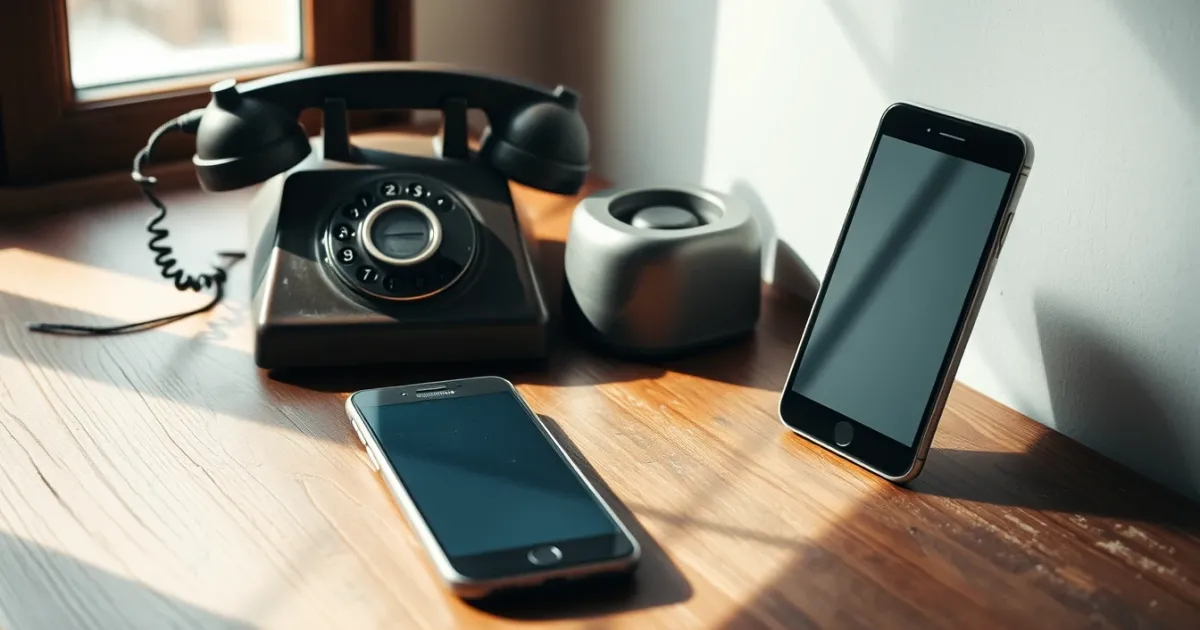
United States Free Phone Number: What Actually Works for Online Verification
A United States free phone number usually refers to a public online inbox where anyone can view incoming text messages, or a free trial number from a VoIP app. While these options cost nothing upfront, they rarely work for registering accounts on popular platforms like Google, WhatsApp, or Instagram.
Most major online services automatically flag and block numbers attached to public web inboxes or internet-based VoIP ranges. If you need to complete a two-factor authentication (2FA) check or receive a one-time password (OTP), free options often result in blocked account creations or missing text messages.
Quick answer
Free US phone numbers found on public websites are shared publicly, meaning hundreds of people use the same inbox. Platforms recognize these numbers instantly and block registration attempts. For reliable account verification, users typically switch from public inboxes to private numbers or paid temporary services like PVACodes.
How US Phone Numbers Work for Online Verification
The North American Numbering Plan governs telephone numbers in the United States. A standard US geographic or mobile number consists of a three-digit area code, a three-digit central office code, and a four-digit line number, prefixed by country code +1.
When you register for a service, automated systems check the numbering database to see whether your number belongs to a major mobile carrier, a landline provider, or a Voice over Internet Protocol (VoIP) provider. Platforms treat each category differently.
- Mobile numbers (Cellular): Accepted by almost every service online. These are tied to physical SIM cards or authorized eSIM profiles.
- Landline numbers: Generally accepted for voice calls but often fail when a platform requires an SMS text message.
- VoIP numbers: Internet-based numbers from providers like Google Voice, TextNow, or Skype. Some apps accept them, while financial services, dating apps, and social networks often reject them outright.
If you are exploring the technical differences behind American numbering systems and how messaging gateways process incoming traffic, read this guide on SMS USA: How American Phone Numbers Handle Online Verification for a deeper technical breakdown.
The Reality of Free Public SMS Inboxes
Type "United States free phone number" into a search engine, and you will find dozens of websites offering free public numbers. These sites let you click on a number, view a live web page, and watch incoming messages appear in real time.
This convenience comes with severe limitations. Anyone in the world can view that same inbox. If you use a public number to register for a personal account, any stranger can visit that same website, click "forgot password" on your account, and read your reset code on the public screen.
Beyond privacy risks, delivery failure is nearly guaranteed for high-security platforms. Automated screening algorithms maintain blocklists of known public web-SMS prefixes. T-Mobile, AT&T, and Verizon short-code gateways also filter out traffic originating from suspicious virtual hosting blocks before it ever hits an endpoint.
Free VoIP Apps vs. Temporary Services
Many users turn to downloadable smartphone apps that offer free US numbers. These apps typically require an initial sign-up using an email address or an existing phone number.
While apps like TextNow or Google Voice provide functioning US numbers, they come with specific hurdles:
- Identity requirements: Most legitimate free VoIP apps require you to verify your identity using an existing phone number or a credit card, defeating the purpose if you want privacy.
- Recycling policies: If you stop using the app for a few weeks, the provider reassigns your number to a new user. That new user can then access your linked online accounts.
- Carrier flags: Automated verification systems maintain databases of VoIP blocks, meaning high-security applications will flag the number during registration.
If you want to understand the structural differences between permanent VoIP apps and dedicated short-term verification tools, consult Tempno Explained: Choosing the Right Temporary Phone Number Option before committing to a provider.
Common Failure Modes When Using Free Numbers
Attempting to register with a free public or low-grade VoIP number usually triggers predictable error messages.
You might enter the number into a registration form, click send, and watch the screen display a vague warning: "We cannot send a verification code to this number. Please enter a valid mobile number." In other cases, the system says the code was sent, but the message never arrives. SMS gateways operated by major platforms drop messages addressed to blacklisted VoIP ranges instantly.
Another common issue involves rate-limiting. Because thousands of people use the same pool of free numbers, platforms like OpenAI, Telegram, or WhatsApp place IP and number bans on those entire blocks. Even if you are trying to create your first account, the platform treats your attempt as spam because someone else abused that number an hour earlier.
Privacy and Security Risks
Using free public numbers exposes you to severe data security risks. Because messages on public web inboxes are indexed by search engines and visible to anyone, your private verification codes become public property the second they arrive.
Furthermore, because numbers are recycled rapidly, you inherit the digital footprint of the previous owner. If the previous owner used that number for spamming or illicit activities, your new account registration might be banned immediately due to association.
Frequently Asked Questions
Can I get a free US phone number that actually works for WhatsApp?
No. WhatsApp uses aggressive anti-fraud filters that block public web-SMS numbers and most free VoIP app ranges. Attempting to register WhatsApp with a free public number will almost always result in an immediate registration block.
Why do verification codes never arrive on free public phone number sites?
Platform security filters identify the carrier network hosting the number as a known virtual or public endpoint. The automated sender drops the outgoing message before it reaches the inbox interface.
Are free US phone numbers safe to use for banking or crypto accounts?
Never use a free public number for financial services, cryptocurrency exchanges, or primary email accounts. Anyone else can view incoming messages on public sites and take over your account.
How do I format a US phone number correctly?
A standard US number uses the country code +1, followed by a 10-digit number consisting of a 3-digit area code and a 7-digit local number (for example, +1 555 123 4567).
What is the difference between a VoIP number and a mobile number?
A mobile number is tied to a physical SIM card or carrier infrastructure. A VoIP number is routed over internet data connections, making it easier for automated web services to detect and block.
Do free phone numbers expire?
Yes. Free apps and public inbox sites recycle numbers frequently. If a number remains inactive for a short period, the provider reassigns it to another user.
Can I make phone calls with a free online number?
Some VoIP apps support outgoing and incoming voice calls, but public web-SMS inboxes are receive-only text interfaces that do not support voice calling or interactive voice response (IVR) verification.
Why do platforms block virtual phone numbers?
Platforms block virtual numbers to prevent automated bot signups, spam campaigns, and multiple fake account creations by malicious actors.
Final Verdict
Free United States phone numbers serve a purpose if you only need to read a casual, non-sensitive public message. For account registration, online verification, or protecting your digital identity, free public options create more problems than they solve. When reliability and privacy matter, private paid solutions or dedicated verification services provide the necessary security without the risk of public interception.