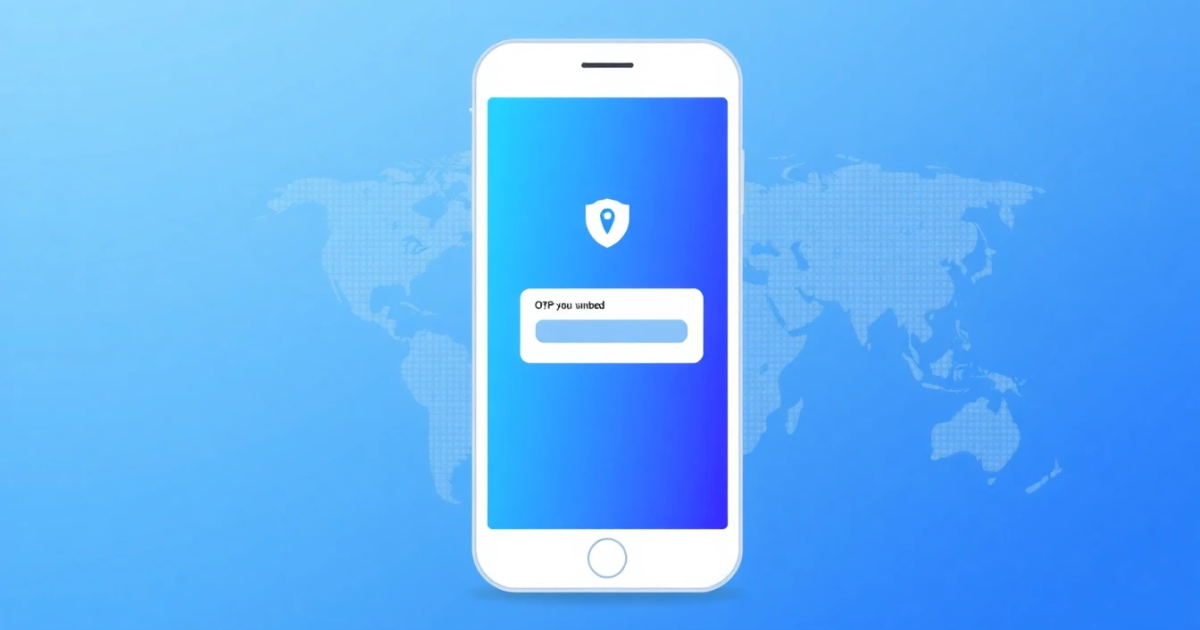
Understanding the O2 Phone Verification Service and How Online SMS Checks Work
An O2 phone verification service is a security process used by websites, apps, and digital platforms to confirm that a user controls a real mobile number tied to the O2 network. When you sign up for an account, the platform sends a one-time password via SMS to your phone, and you must type that code back into the screen to prove your identity. This prevents automated spam bots from creating fake profiles, secures your data against unauthorized logins, and helps platforms meet regulatory compliance.
Quick Answer
Phone verification using a carrier like O2 involves receiving a one-time code by text message to confirm your identity. It is widely used by banks, social media networks, and online services to stop fraud. However, public virtual numbers often fail for these checks, meaning you usually need direct access to a real mobile line or an alternative SMS verification provider.
- Confirms you are a real person rather than a bot script
- Requires an active mobile signal or a compatible online receiving channel
- May fail if mobile carrier networks experience gateway delays
What it means / how it works
Phone verification is a standard layer of digital security. It connects your online identity to a physical telecommunications subscriber. When a platform requests verification, it triggers an automated system that generates a random numerical code, known as an OTP (one-time password). This code travels through an SMS gateway, routes through telecommunications operators like O2, and lands on your mobile device.
The entire process takes only a few seconds, but several steps happen behind the scenes. First, your browser or app communicates with the server of the service you are joining. Second, the server queries an API (application programming interface) provided by a telecom aggregator. Third, the message routes through cellular towers or internet protocols to reach your handset. Once you read the numbers on your screen and input them into the verification prompt, the server matches your entry against the code it generated. If they match, your account is verified.
Carriers handle millions of these messages daily. For standard users on a physical O2 SIM card, the process is usually automatic. However, users who prefer not to share their personal phone numbers often look into alternative ways to handle these checks, such as temporary numbers, rental lines, or online SMS gateways.
Practical scenarios
- Creating a new social media profile: Platforms like Facebook, Instagram, and X require mobile verification during registration to block automated bots and mass account creation.
- Logging into online banking: Financial institutions use two-factor authentication (2FA) via SMS to verify that you are the legitimate account holder attempting a login or a money transfer.
- Setting up a secure email account: Major email providers ask for a mobile number during account recovery setup or unusual login attempts to verify ownership.
- Accessing remote work portals: Corporate intranets and enterprise software often require phone confirmation before letting employees access sensitive company networks.
- E-commerce checkout security: Online retailers use SMS verification to confirm high-value purchases and prevent credit card fraud.
- Gaming and streaming platforms: Online video games and streaming services require phone validation to prevent cheating, toxic behavior, and multiple trial abuse.
- Classified ads and marketplace listings: Sites like eBay or Craigslist verify seller phone numbers to build trust and reduce fraudulent listings.
Step-by-step
Completing a phone verification check is usually straightforward, but understanding each stage helps you troubleshoot when things go wrong.
Step 1: Enter your phone number
On the registration or login screen of the app or website, locate the phone number input field. Select your country code if prompted, and type your phone number carefully without adding extra spaces or leading zeros that the system does not expect.
Step 2: Request the verification code
Click the button that says "Send Code," "Verify via SMS," or "Send OTP." This action prompts the platform's automated server to generate your one-time code and dispatch it to the telecommunications network.
Step 3: Wait for delivery
Check your mobile device or your designated online receiving inbox. Most verification codes arrive within 5 to 30 seconds. If nothing appears, check your signal strength or ensure your messaging app is not blocking unknown shortcodes.
Step 4: Input the code
Open the text message, read the sequence of digits, and type them into the verification box on your screen. Most codes are valid for only 2 to 10 minutes for security reasons.
Step 5: Complete the check
Submit the code. If successful, the platform will confirm your identity and grant you access to your account or let you proceed with your transaction.
Safety/privacy/legal
Phone verification protects digital accounts, but it also raises valid privacy concerns. When you hand your personal mobile number to a website, you create a permanent link between your real-world identity and your digital activity. Companies can store this data, use it for targeted marketing, or lose it in data breaches.
From a security standpoint, relying solely on SMS for two-factor authentication has known vulnerabilities. Telecom networks can suffer from SIM-swapping attacks, where malicious actors trick mobile carriers into transferring your phone number to a new SIM card under their control. Once they control your number, they can intercept your verification codes and break into your accounts.
Legally, platforms collect phone numbers under privacy regulations like GDPR in Europe or CCPA in California. These laws require companies to protect your data and explain why they collect it, but they do not stop platforms from making phone verification mandatory for service access. To protect your personal privacy, many users look for alternative verification solutions that do not expose their primary personal phone numbers to every website they visit.
Best alternatives
If you prefer not to use your personal mobile number for online registrations, several alternatives exist depending on your goals and technical needs.
Free public SMS inboxes: Websites that offer free numbers for anyone to view online. While convenient for quick tests, they offer zero privacy because anyone on the internet can read your incoming verification codes. They also rarely work for major platforms because systems flag and block public numbers.
Temporary virtual numbers: Dedicated numbers rented for a short period to complete a single verification check. These offer better privacy than public inboxes and are useful for one-off account creations.
Rental numbers for repeat logins: If you need to access an account over a longer period, rental numbers let you keep the same line for days, weeks, or months, ensuring you can receive future login codes and password resets.
Paid private SMS solutions: For users who need dependable access to verification codes without exposing their personal SIM cards, dedicated providers offer private virtual numbers. For example, PVACodes provides virtual phone numbers designed for online SMS verification and OTP reception across various global regions and applications.
Frequently Asked Questions
What is an O2 phone verification service?
It is a system used by online platforms to confirm your identity by sending a one-time text message to a mobile number connected to the O2 telecom network, requiring you to enter the code to proceed.
Why did my verification code not arrive?
Codes can fail to arrive due to weak mobile signal, carrier filtering of automated shortcodes, network congestion, or because the platform has blocked the specific number type you are using.
Can I verify an account without a personal phone number?
Yes, many users employ virtual phone numbers, temporary numbers, or paid SMS verification services to complete account signups without revealing their personal mobile lines.
Are public free SMS numbers safe to use?
No. Public numbers display all incoming messages on a web page visible to everyone, meaning anyone can see your private verification codes and potentially access your accounts.
How long is a verification code valid?
Most one-time passwords expire quickly, usually between 2 and 10 minutes after being generated, to prevent malicious actors from reusing intercepted codes.
What is a non-VoIP number?
A non-VoIP number is a traditional mobile or landline number tied to a physical cellular carrier rather than an internet-based calling app. Many strict platforms require non-VoIP numbers for verification.
Can I use the same virtual number for multiple accounts?
It depends on the platform. Some websites allow multiple accounts per number, while others ban numbers that have been used to register more than one profile.
What should I do if my verification code expires?
Simply click the "Resend Code" or "Request New Code" button on the platform's verification screen to generate a fresh passcode.
Is phone verification legally required?
While verification is rarely mandated by government law for standard websites, individual platforms have the legal right to enforce security policies and terms of service that require phone confirmation.
How do I protect my phone number from SIM swapping?
Contact your mobile carrier to set up a strict PIN or verbal password on your account, making it harder for unauthorized individuals to transfer your number to a new SIM card.
Conclusion
Phone verification is an essential part of modern internet security, designed to protect platforms and users from fraud. Whether you are using a standard mobile carrier line or exploring virtual number alternatives for privacy, understanding how OTP delivery works ensures smoother account setups. Assess your security needs, protect your personal data, and choose the verification method that best fits your situation.