Understanding the 23837 Short Code and SMS Verification Messages
The 23837 short code is a dedicated five-digit telephone number used by automated systems to transmit one-time passwords (OTPs) and account security notifications to mobile subscribers. When you spot this specific numeric sequence blinking on your screen, a service you interact with is attempting to confirm your identity via SMS (short message service).
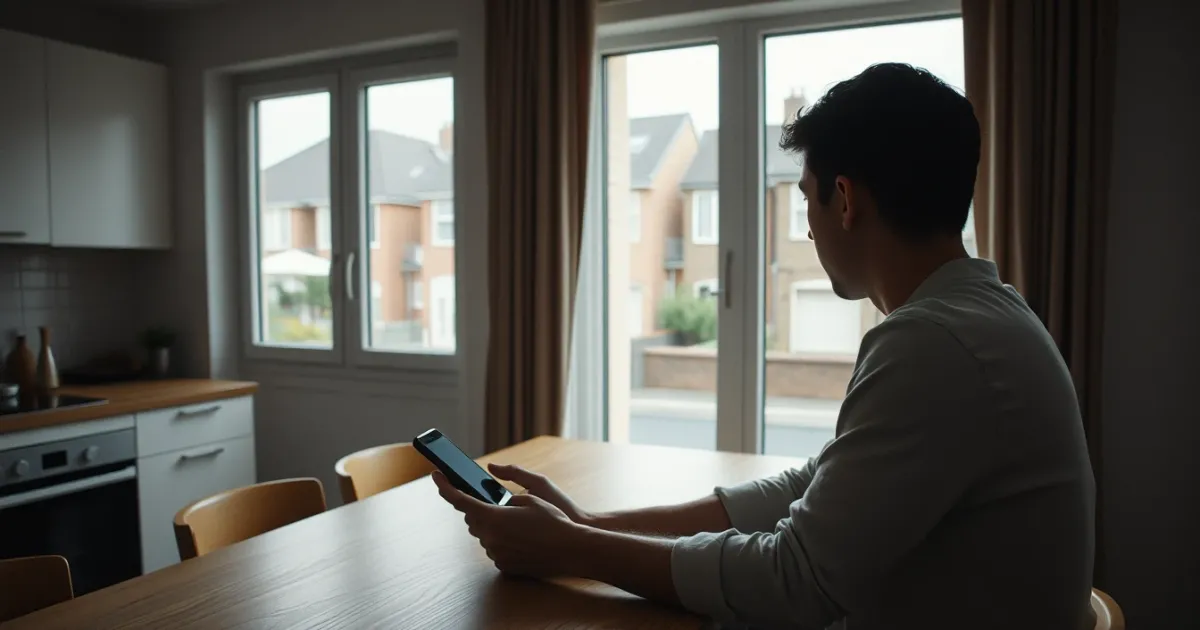
Most people land on this page because they just pulled their phone out of their pocket, saw a text message originating from 23837, and felt uncertain about whether it was a legitimate security ping or an automated alert triggered by mistake. Short codes differ fundamentally from standard ten-digit phone numbers. They are leased through dedicated aggregators specifically for high-volume enterprise traffic, meaning businesses use them to send millions of authentication texts every hour without hitting standard carrier throttling caps.
Quick answer
The 23837 short code is an automated business messaging number used to deliver verification codes and security alerts. If you requested a login code, this text is likely safe. If you did not trigger any account action, someone might be attempting to access your profile using your phone number, or a previous owner of your number is still tied to the service.
How Automated Short Code Delivery Works
Behind every text message sent from a short code lies a complex routing pipeline involving telecommunications carriers, cloud messaging gateways, and application programming interfaces. When an application needs to authenticate a user, its backend system dispatches a request to an SMS gateway.
This gateway translates the data packet into standard carrier signaling and pushes it through aggregator networks. Major network operators like AT&T, Verizon, and T-Mobile then ingest these packets and route them directly to your handset. Because short codes are pre-approved by mobile network operators, they bypass many of the aggressive spam filters that typically flag standard long-code numbers.
Despite this streamlined pipeline, bottlenecks still occur. Carrier-level short-code filters occasionally drop OTPs if the message rate spikes or if the receiving handset has strict blocking rules enabled. For instance, T-Mobile short-code filters drop OTPs from unregistered senders about two seconds after arrival if carrier compliance flags trip, which is why users sometimes watch a code flash in notification centers and vanish before they can read it.
Mobile Versus Landline Behavior for Verification Texts
Short codes rely on traditional mobile termination protocols. If your phone number is a true cellular device tied to a major carrier, delivery happens in seconds. VoIP (voice over internet protocol) numbers and virtual lines face an entirely different reality.
Many enterprise applications actively block virtual phone numbers during the registration phase to prevent automated bot signups and fraudulent account creation. If you try to receive a message from a short code on a free web-based VoIP line, the message often fails to deliver silently. The gateway assumes the transmission succeeded, but the carrier network rejects the data packet before it reaches any inbox.
Users who require reliable access to multi-factor authentication without exposing their primary personal lines often turn to dedicated provider options. For instance, when dealing with regional platform restrictions or privacy concerns on specific websites, many people utilize solutions provided by PVACodes to secure non-VoIP numbers capable of handling inbound text traffic seamlessly.
Common Scenarios and Use Cases
You typically encounter short codes like 23837 during specific account management workflows. Understanding these contexts helps you determine whether an incoming text requires your immediate attention.
Account creation represents the most frequent trigger. When signing up for a new digital service, platform security protocols mandate phone verification to deter bot farms. The system generates a random six-digit numeric code, ties it to your session token, and fires it off through a short-code sender.
Password resets also generate short-code traffic. If you submit a request to recover a locked login, the platform verifies your ownership of the account by bouncing a secure token to the mobile device on file.
Two-factor authentication (2FA) logins constitute the third major category. Whenever you log in from an unrecognized browser or a new geographic location, security systems demand a secondary confirmation step, resulting in an immediate short-code ping.
Troubleshooting Missing Verification Messages
Not every text message arrives on time. When a short-code message fails to appear in your messaging application, several common culprits are usually at fault.
- Carrier filtering: Aggressive spam blockers built into carrier apps might intercept automated codes before they generate a notification sound.
- Device storage limits: Full device memory can occasionally stall inbound SMS processing, causing delayed queue delivery.
- Network congestion: High-traffic events, such as major holiday sales or widespread service outages, slow down carrier SMS gateways significantly.
- Incorrect number formatting: Failing to include the proper country code or leading digits during registration breaks the routing path entirely.
If you are experiencing persistent delivery issues with specific apps, reviewing specialized troubleshooting guides can save hours of frustration. For instance, users encountering persistent delivery failures with food delivery apps can review structured insights via resources like the DoorDash verification phone number guide, which breaks down common carrier-side hurdles.
Security Risks and Mistaken Identity Patterns
Receiving an unexpected text from a short code warrants caution. Cybercriminals occasionally spoof or acquire short codes to launch phishing campaigns, though strict carrier oversight makes true short-code spoofing difficult compared to standard long numbers.
If you receive a code that you did not request, consider two primary possibilities. First, a malicious actor might be attempting a credential stuffing attack, trying every known password combination against your email or social media accounts, which automatically triggers security alerts to your phone. Second, someone typing their phone number during a registration form might have entered one digit incorrectly, accidentally inputting your exact number instead of their own.
Never share an incoming OTP with anyone under any circumstances. Customer support representatives, bank agents, and platform administrators will never ask you to read back a verification code sent to your phone. Anyone requesting that code is attempting to hijack your account.
Frequently Asked Questions
What is a short code like 23837?
A short code is a specialized five or six-digit telephone number leased by businesses to send automated text messages, including verification codes and account security alerts, at a high volume to mobile subscribers.
Why did I receive a text from 23837 if I didn't do anything?
You likely received the message because someone mistakenly typed your phone number while attempting to sign up for a service, or an automated system triggered a security alert due to login activity associated with your identity.
Are texts from short codes safe to open?
Reading the text itself is generally safe, but you should never click unknown links contained within the message or share the verification code with anyone who contacts you asking for it.
Can landlines or VoIP numbers receive messages from 23837?
True landlines cannot receive SMS messages unless they have a specialized text-to-speech conversion service enabled by the carrier. VoIP numbers often fail to receive short-code texts because many automated systems block virtual prefixes to prevent fraud.
How long do verification codes from short codes remain valid?
Most verification codes expire within five to fifteen minutes of generation for security purposes. If your message arrives after this window, the code will no longer work, and you must request a fresh one.
What should I do if my verification code never arrives?
Check your device signal strength, clear out old text messages if your storage is full, restart your phone to force a network re-registration, and verify that your number format was entered correctly on the platform.
Can short-code messages be blocked by my phone?
Yes. Both mobile operating systems and cellular carriers include automated spam filters that occasionally catch legitimate authentication messages, diverting them to spam folders or blocking delivery altogether.
Is it possible to reply to a short code like 23837?
Most short codes are configured for inbound delivery only or restricted to basic keyword replies like STOP or HELP. Typing a normal conversational reply will generally result in a bounce-back error or no response at all.
Final Thoughts
Encountering the 23837 short code usually indicates a routine digital verification process in progress. Whether you are creating a new profile, resetting a forgotten password, or securing an existing login, understanding how short codes operate helps you separate legitimate security alerts from potential risks. Keep your codes private, ensure your device settings permit inbound automated messages, and use trusted non-VoIP numbers when privacy requires a buffer between your personal phone and online platforms.