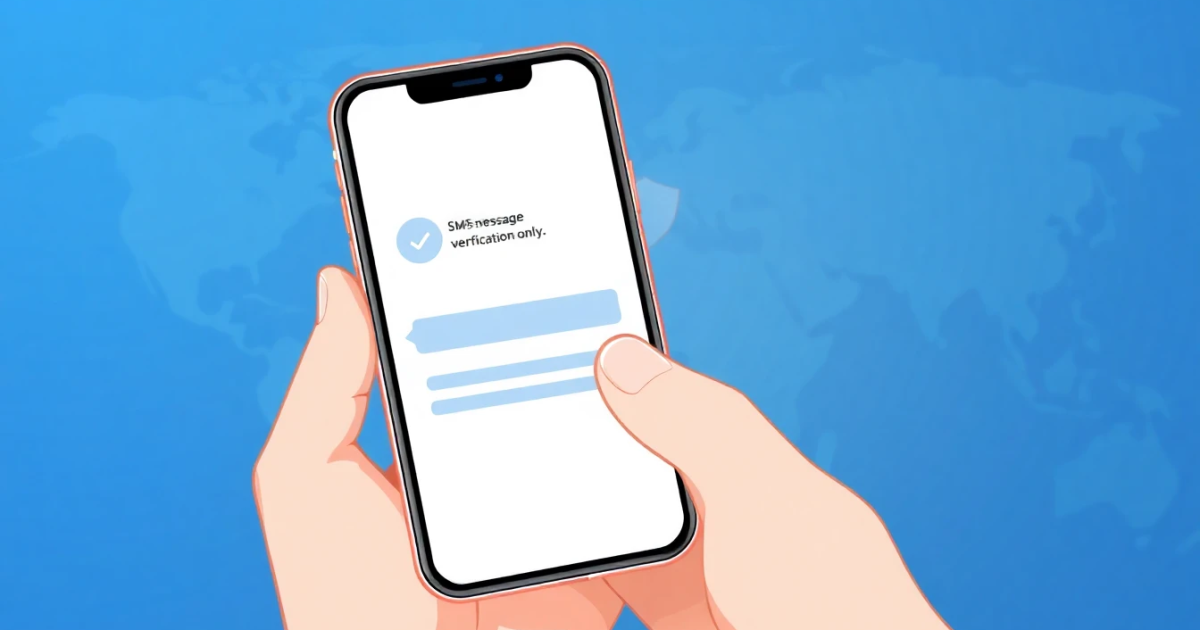
Understanding Text Message Verification Codes
Introduction
A text message verification code is a unique series of numbers or letters sent to your mobile device as part of a security process for logging into an account or confirming identity. Commonly used in two-factor authentication (2FA), these codes play a crucial role in enhancing the security of online accounts by providing an additional layer of protection beyond just a password.
What It Means / How It Works
The main purpose of text message verification codes is to ensure that the person trying to access an account is indeed the authorized user. This typically involves the following steps:
- User Action: When you attempt to log in to an account, you enter your username and password.
- Code Generation: If prompted for a verification code, the service generates a temporary code and sends it to your registered mobile number via SMS.
- User Receipt: You receive the text with the code on your phone.
- Code Entry: You input the received code into the website or application to prove your identity.
- Access Granted: If the code matches, access is granted to your account.
This process significantly reduces the risk of unauthorized access since, even if someone does manage to steal your password, they would still need the verification code sent to your phone to access your account.
Practical Scenarios
Text message verification codes can occur in various scenarios, including:
- Logging into Social Media: Platforms like Facebook or Twitter often require a verification code for users who log in from an unrecognized device.
- Online Banking Transactions: Banks may ask for a verification code when transferring money or accessing sensitive financial information.
- Shopping Websites: E-commerce sites sometimes require verification codes to confirm purchase or account updates.
- Email Providers: Services like Gmail send a verification code when logging in from a new computer or after account recovery attempts.
- Authentication for Apps: Many applications, including mobile games and productivity tools, use SMS codes for account verification.
- Subscription Services: Streaming platforms may send out codes to confirm that the subscriber is who they claim to be.
- Password Resets: When initiating a password reset, services generally require you to verify your identity with a text message code.
- Account Recovery: In the event of losing access to an account, a verification code can be sent for security to recover or reset login credentials.
Step-by-Step
To utilize a text message verification code, follow these straightforward steps:
- Initiate Login: Open your desired website or app and enter your username and password.
- Check for Prompt: Proceed with any prompt asking for a verification code.
- Open SMS App: Access the text messaging application on your mobile device.
- Locate The Code: Identify the SMS from the relevant service that includes your verification code.
- Enter The Code: Input the received code into the designated box on the website or app.
- Finalize Login: Click the login or verify button to complete the process. If the code is correct, you will gain access to your account.
Safety/Privacy/Legal
While text message verification codes significantly improve security, there are certain aspects to consider for privacy and safety:
- SMS Vulnerabilities: SMS messages can be intercepted or spoofed. Hence, for sensitive applications, consider alternatives like authenticator apps that do not rely on SMS.
- Recycling Numbers: Be aware that phone numbers can be recycled by carriers, meaning that a former user of a number may still receive verification texts for accounts linked to that number.
- User Responsibility: Users are responsible for keeping their devices secure. Loss or theft can expose them to risks regarding their accounts.
- Legal Compliance: Businesses must adhere to legal guidelines on privacy, like the GDPR or CCPA, especially if they collect phone numbers across jurisdictions.
Best Alternatives
While text message verification is widely used, other more secure options may be available based on specific use cases:
- Authenticator Apps: Apps like Google Authenticator or Authy generate codes that can be used for verification and do not rely on SMS.
- Email Verification: Some services allow codes to be sent via email, though it's less secure than SMS or authenticator apps.
- Notification-Based Authentication: Using push notifications sent directly to your smartphone when logging in offers a high level of security.
- Physical Tokens: Devices that generate one-time codes, often used in corporate settings, are highly secure.
- The PVACodes SMS Solution: For those who require additional SMS verification options, considering services like PVACodes can help. It provides virtual phone numbers specifically designed to receive SMS messages for verification purposes.
Frequently Asked Questions
Q: What is a text message verification code?
A text message verification code is a numerical or alphanumeric code sent via SMS to confirm the identity of a user attempting to access an account or service.
Q: How long does a verification code remain valid?
Verification codes typically expire after a short time, often within 5 to 10 minutes, for security reasons.
Q: Can I receive verification codes internationally?
Yes, but this depends on the carrier and account settings. Some services may restrict verification codes to a user's registered country.
Q: What should I do if I don't receive my text message verification code?
Check your signal strength, ensure correct phone number input, look for any potential SMS blocking apps, or request a new code from the service.
Q: Is it safe to rely solely on text message verification codes?
While SMS verification improves security, it may not be the most secure option due to vulnerabilities. Consider using authenticator apps for enhanced safety.
Q: What if I change my phone number?
If you change your phone number, update your account settings immediately to avoid issues receiving verification codes in the future.
Q: Are verification codes case-sensitive?
This depends on the service provider. Some may require exact code formatting, while others may not.
Q: How can I make my accounts more secure?
Enable two-factor authentication using apps or physical tokens, ensure strong passwords, and keep your email and SMS accounts secure.
Q: Why do some services offer a countdown for verification codes?
A countdown can remind the user that their verification code has a limited time frame to enhance urgency and encourages quick entry.
Q: Are verification codes the only step required for multi-factor authentication?
No, a fully secure multi-factor authentication may combine SMS verification codes, an email confirmation or answer a security question.
Conclusion
Text message verification codes are critical for securing online accounts by adding an extra layer of security that helps protect sensitive information. While they provide a good balance between convenience and security, it is essential to be vigilant about privacy safeguards and consider alternative methods such as authenticator apps for added protection. For those looking for SMS verification for various applications, options like PVACodes can provide reliable services tailored for receiving verification messages. Always be proactive with your security to stay protected.