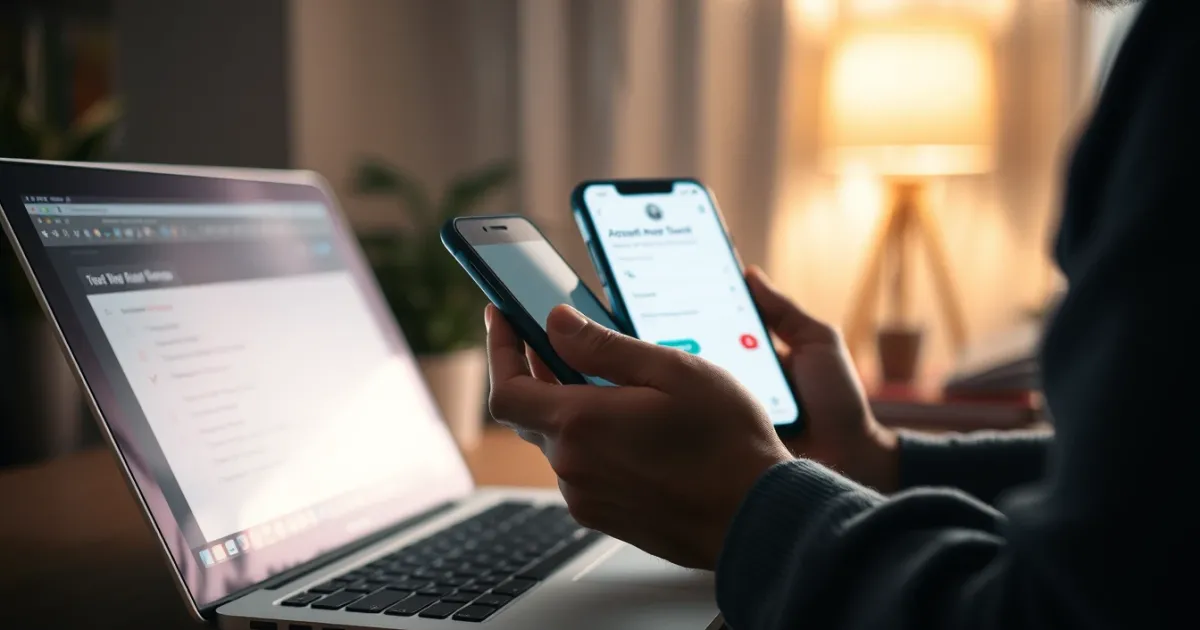
Temporary Number Online: How SMS Verification Works Without a Personal Line
A temporary number online is a virtual phone number used to receive short message service (SMS) text messages and one-time passwords (OTPs) without exposing your personal smartphone line. These numbers help protect your privacy when signing up for web services, testing mobile applications, or creating secondary accounts where you prefer not to share private contact details.
Quick answer
You can get a temporary number online through public web-based inboxes or private paid rental services. Public numbers are free but completely open for anyone to view, meaning strangers can see every text message sent to that inbox. Private rentals cost a small fee, give you exclusive access, and work reliably for difficult apps.
Understanding How Online Verification Numbers Operate
Most online services require two-factor authentication (2FA) or phone number verification to deter automated bot signups. When you input a number on a registration form, the platform dispatches a string of digits via an application programming interface (API) to a telecommunication gateway. That gateway routes the text message to the designated handset or virtual inbox.
Virtual numbers bridge the gap between traditional cellular networks and internet-connected software. Instead of relying on a physical subscriber identity module (SIM) card inserted into a mobile phone, these digits exist entirely in the cloud. Software routes incoming messages to a web dashboard or an API endpoint.
If you are exploring different regional options for your verification needs, resources like Free Phone Number USA: What Actually Works for SMS Verification outline what to expect when targeting specific domestic carriers and why certain routing paths succeed while others fail.
Comparing Your Options: Free Public Inboxes vs Paid Rentals
Choosing the right approach depends entirely on what you are trying to register and how much privacy you require. The market generally splits into three distinct tiers.
| Option Type | Cost | Privacy Level | App Compatibility |
|---|---|---|---|
| Public Free Inboxes | Free | None (Publicly visible) | Low (Blocked by most major apps) |
| Shared Web Numbers | Low | Minimal | Medium |
| Private Rental Numbers | Paid | High (Exclusive access) | High (Works for most standard platforms) |
Public free numbers list incoming texts on a shared webpage refreshable by anyone on the internet. If you use one of these for a sensitive login, any random visitor can view your verification codes and potentially access your account.
For users who need a paid private option instead of a public inbox, PVACodes offers rental numbers for many countries and apps, though availability varies depending on current carrier inventory and platform restrictions.
When Each Option Actually Fits Your Workflow
Matching your requirement to the correct category saves time and prevents frustration. If you simply need to download a whitepaper or view a public forum that demands a quick confirmation text, a public free number gets the job done in seconds.
Conversely, if you are setting up an active account that you plan to use for months, free public numbers are entirely unsuitable. Platforms flag these numbers almost instantly because thousands of other users have already registered them. Once a number is flagged, the platform blocks further signups, or bans the account shortly after creation.
When dealing with strict platforms, you need dedicated non-VoIP (voice over internet provider) mobile numbers that mimic real subscriber lines. To understand how these underlying systems operate, Understanding SMS Temporal: What Temporary SMS Verification Means and How It Operates provides a clear breakdown of message routing and carrier rules.
The Reality of Delivery Times and Carrier Filtering
One common misconception is that text messages to virtual numbers arrive instantly every single time. In practice, delivery depends heavily on the sending platform's automated security filters.
Major social networks and banking applications use advanced risk scoring. If an SMS gateway detects a high volume of incoming traffic from a specific number block, the platform's automated system delays or drops the outgoing message entirely. You might click "Resend Code" three times, only to watch the timer expire while your inbox remains completely empty.
Furthermore, carrier-level filters sometimes mistake automated verification texts for spam. For instance, T-Mobile short-code filters occasionally drop OTPs from unregistered senders about two seconds after arrival, meaning you might see the code flash in a raw diagnostic log and instantly vanish before reaching the web UI.
One Major Limitation to Keep in Mind
Temporary numbers online do not work universally across every application on the internet. WhatsApp, Telegram, and Google aggressively detect and block known virtual and temporary prefix ranges. If you attempt to register these high-security platforms with a cheap public number, you will likely hit an immediate error message stating that the number cannot be used for verification. Private rental options improve your odds significantly, but even dedicated numbers occasionally fail if the platform updates its anti-fraud algorithms.
Frequently Asked Questions
Can I make outgoing phone calls with a temporary online number?
Most temporary numbers are configured strictly for incoming SMS reception. Providers rarely attach voice calling capabilities to short-term verification lines because the infrastructure required for outbound voice routing increases costs dramatically.
Are temporary numbers safe to use for personal accounts?
Using a temporary number for important personal accounts like primary email or online banking is risky. If you lose access to the number or if the rental period expires, you will permanently lose the ability to recover your password via SMS.
Why does my verification code never arrive?
Codes fail to arrive for several reasons, including overloaded carrier routes, platform blocks against virtual number ranges, or expired public inbox sessions. Switching to a private rental number usually resolves delivery issues caused by overloaded shared lines.
How long do I get to keep a temporary number?
Free public numbers rotate constantly, sometimes changing every few hours. Paid rental numbers typically grant you exclusive access for a set duration ranging from 10 minutes for a single OTP up to 30 days depending on your subscription plan.
Can anyone else see the texts sent to my temporary number?
With free public web inboxes, yes. Anyone browsing the website can see all incoming messages. With private paid rentals, your inbox is strictly encrypted and accessible only through your private user account.
Do temporary numbers work with all country codes?
Availability varies widely by provider. While numbers from the United States, United Kingdom, and Canada are widely available, less common regions have limited carrier inventory and higher block rates on popular apps.
Selecting the right temporary number online comes down to balancing your need for privacy against the strict security checks of the app you want to use. Skip public inboxes for anything important, opt for private rentals when account recovery matters, and always keep backup verification methods handy for stubborn platforms.