South Korea Phone Number: Formats, Prefixes, and Verification Options Explained
A South Korea phone number typically follows a specific dialing structure starting with the country code +82, followed by a carrier prefix and a subscriber number. If you are trying to verify an online account, register for a local service, or understand how South Korean telecommunication numbers operate from abroad, you need to navigate strict local identity laws and carrier protocols.
South Korea's telecommunication ecosystem differs significantly from Western markets. Most online platforms operating within the country require strict identity verification through local resident registration or local mobile authentication apps like Pass. This makes obtaining a functional number for casual use challenging if you do not reside in the country.
Quick answer
South Korean numbers use the +82 country code. Mobile numbers generally start with 010, followed by eight digits. The main catch is that virtual numbers or cheap web-based tools rarely pass strict South Korean local authentication gateways due to mandatory resident-linked identity checks on platforms like Naver, KakaoTalk, or local e-commerce sites.
Understanding the South Korean Number Structure
South Korean phone numbers are managed by the Korea Communications Commission. When dialing internationally, the country code is +82. Domestic numbers drop the plus sign and often replace the leading zero with international dialing prefixes depending on where you call from, but domestic dialing retains the standard format.
Landline numbers vary by geographic region code. Seoul uses 02, Busan uses 051, and Incheon uses 032. These codes range from two to three digits. Following the area code, standard landlines contain seven or eight digits, creating a total length of nine to ten digits excluding the country code.
Mobile numbers are standardized nationwide. Almost every modern mobile phone in South Korea uses the 010 prefix. Older prefixes like 011, 016, 018, or 019 have been phased out as code division multiple access networks were retired in favor of universal 4G LTE and 5G infrastructure. A standard mobile number looks like +82 10 XXXX XXXX when dialed from outside the country.
Options for Getting or Using a South Korea Phone Number
Depending on your exact goal, several paths exist to interact with South Korean telecommunication channels. Each option comes with specific trade-offs regarding cost, permanence, and verification capability.
| Option | Best For | Trade-offs |
|---|---|---|
| Local Physical SIM / eSIM | Long-term residents, frequent travelers, full app access | Requires passport verification, higher cost, identity tying |
| VoIP / Virtual Numbers | Basic international calling, casual inbound routing | Blocked by most local South Korean apps and strict OTP gateways |
| Temporary SMS Services | Quick, non-critical web registrations outside Korea | High failure rate on sensitive platforms, public inbox exposure |
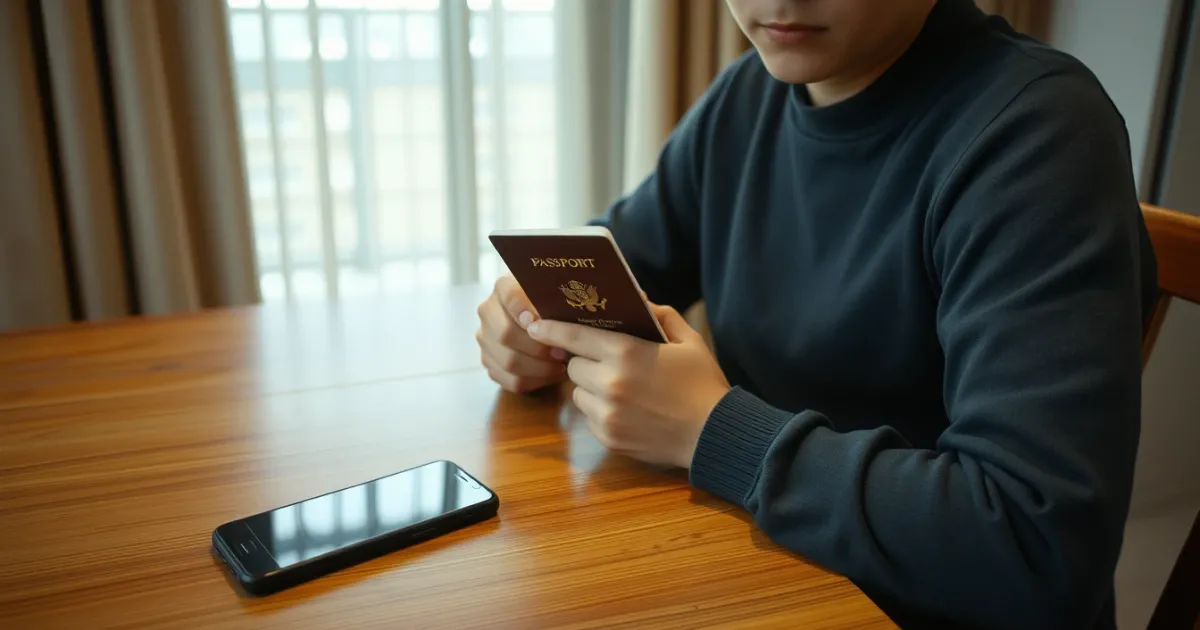
Physical SIM cards and local eSIMs offer the highest reliability. Major carriers like SK Telecom, KT, and LG Uplus dominate the market. Getting one requires presenting your passport at an authorized carrier store or airport booth. For users exploring verification methods, choosing a temp number for SMS verification requires understanding that Korean services flag virtual telecom lines immediately.
Why South Korean SMS Verification Is Uniquely Difficult
If you have tried to register for a South Korean web service from abroad, you likely encountered an impenetrable verification wall. South Korea enforces real-name registration laws for many online platforms. When a website requests an SMS verification code (OTP), the system often checks whether the phone number is tied directly to a resident registration number or a verified alien registration card.
Platforms like Naver, Daum, and Coupang do not just send a random code to a string of digits. Their backend systems query telecom databases managed by SK Telecom, KT, and LG Uplus. If the number queried is classified as a standard VoIP or temporary line rather than a verified subscriber mobile line, the registration request fails instantly. This is why standard free online SMS scrapers completely fail on Korean platforms.
For users who need alternative ways to handle temporary text reception globally without exposing their personal mobile line, understanding how an online temporary phone number functions can clarify these limitations across different regional markets.
Physical SIM Cards Versus Virtual Alternatives
Deciding between a physical solution and a digital alternative depends on your intended use case. If you need to maintain a KakaoTalk account long-term, a physical SIM or a legally registered local postpaid or prepaid plan is mandatory.
Temporary digital numbers serve a narrower purpose. They work well for international web platforms that happen to accept South Korean country codes but do not enforce strict local telecommunication checks. However, for domestic Korean services, virtual numbers hit a dead end. Even premium virtual solutions often fail because Korean law restricts anonymous or unverified VoIP registrations.
When looking into these digital options, it is helpful to review how a temp phone for SMS operates so you can manage expectations regarding delivery rates and carrier filters.
Common Failure Modes When Using South Korean Numbers
Attempting to route verification codes through non-standard channels usually triggers specific errors or silent failures. Recognizing these patterns saves time:
- Instant Rejection: The registration page displays an error stating the phone number format is invalid or unsupported before you even click send.
- Delayed or Dropped OTP: The carrier gateway receives the request, filters out the non-mobile prefix, and drops the message entirely without generating an error code on the frontend.
- Account Suspension Post-Verification: A service accepts a virtual number temporarily, but automated security audits detect the VoIP prefix within 24 hours and lock the account for suspicious activity.
- Carrier Blocking: SK Telecom and KT gateways actively block incoming traffic originating from known international virtual switchboards.
To explore how similar restrictions apply across different provider types and regional configurations, many users consult resources like the official PVACodes site for guidance on available routing options.
Frequently Asked Questions About South Korea Phone Numbers
What is the country code for South Korea?
The international country code for South Korea is +82. When dialing from another country, you drop the leading zero from the domestic number and append it after +82.
Why do most South Korean websites reject international numbers?
South Korean internet regulations often tie online identity to real-name verification systems linked to local telecom subscribers. International numbers lack this resident database link, causing automated authentication failures.
Can I use a free online SMS website for South Korean verification?
Free public numbers are almost universally blocked by South Korean platforms. Furthermore, public inboxes expose your verification codes to anyone viewing the webpage, creating severe privacy risks.
What does a standard South Korean mobile number look like?
South Korean mobile numbers start with the 010 prefix, followed by eight digits divided into two four-digit blocks. Written internationally, it appears as +82 10 XXXX XXXX.
Do I need an Alien Registration Card to get a local SIM card?
Short-term tourists can purchase temporary prepaid SIM cards or eSIMs using only a valid passport. Long-term residents and workers must use an Alien Registration Card or local ID for monthly carrier contracts.
Are VoIP numbers legal in South Korea?
VoIP numbers are legal and widely used for business communications, but they are tightly regulated and strictly prohibited from bypassing real-name authentication checks on consumer-facing platforms.
Why did my verification code never arrive?
If you used a virtual or non-mobile number, the South Korean carrier gateway likely filtered and dropped the message at the network level due to anti-fraud compliance rules.
Navigating South Korean telecommunications requires respecting strict local regulatory frameworks designed around identity verification. Whether you secure a local physical SIM for deep integration or use alternative communication methods for basic international needs, understanding carrier prefixes and database restrictions prevents wasted effort. Choose the method that matches your exact operational scope and legal requirements within the region.