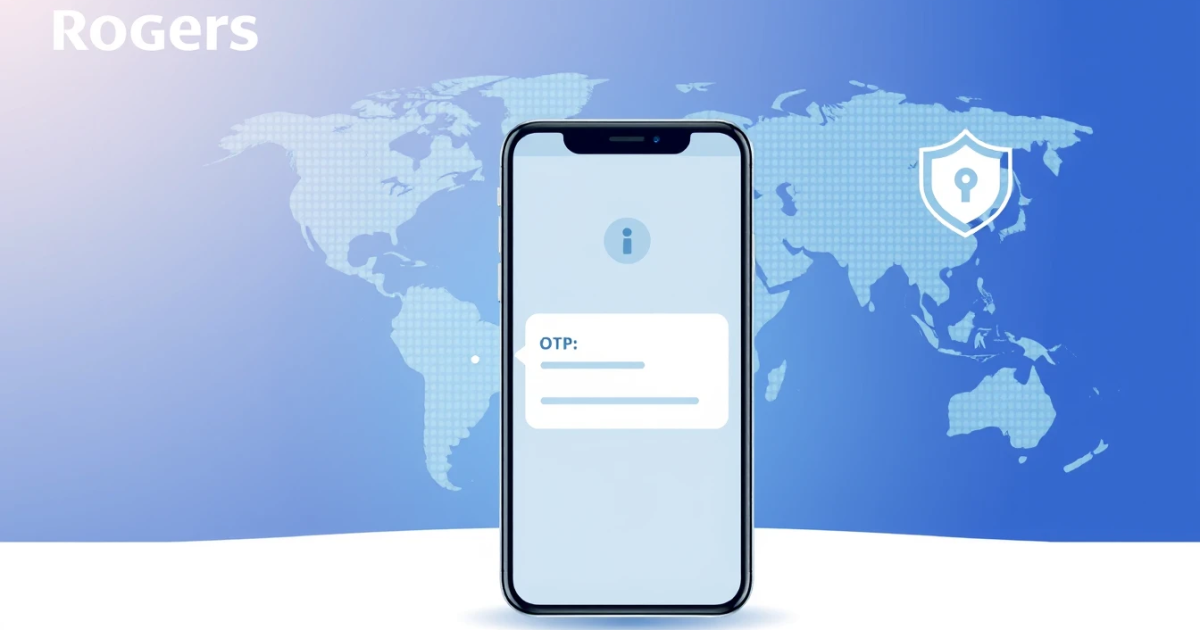
Rogers OTP Verification: How It Works and What to Do When Codes Fail
Rogers OTP verification is the security process where Rogers Communications sends a one-time password via text message or email to confirm your identity before letting you log in, make account changes, or authorize a transaction. If you are stuck waiting for a code, experiencing delivery delays, or trying to understand why Rogers is asking for verification, this guide explains how the system works and how to troubleshoot common problems.
Quick Answer
Rogers OTP verification protects your account by requiring a temporary security code sent to your registered mobile phone number or email. If your code does not arrive, common causes include carrier network delays, signal issues, or blocked short-code messages. Restarting your device, checking your blocked messages list, or waiting a few minutes usually resolves the issue.
- Requires an active Rogers account and registered phone number
- Codes typically expire within 5 to 10 minutes
- Primary troubleshooting involves checking signal strength and short-code settings
Introduction
Managing your mobile, internet, or television account online requires strong security measures to prevent unauthorized access. When you log into your MyRogers profile, update your billing information, or authorize sensitive account modifications, you will often encounter a prompt for a one-time password (OTP).
This verification step acts as a digital gatekeeper. Even if someone discovers your password, they cannot access your account without physical or digital access to the specific device authorized to receive your security code. However, when these verification codes fail to arrive, routine tasks can quickly turn into frustrating roadblocks. Understanding how the Rogers verification system operates helps you resolve delivery errors and complete your login safely.
What it means / how it works
OTP verification stands for one-time password verification. It is a form of two-factor authentication (2FA) or multi-factor authentication (MFA). Instead of relying solely on your permanent password, Rogers generates a temporary numeric or alphanumeric code that is valid for a single session or transaction.
When you trigger a verification request:
- Generation: The Rogers authentication server generates a random code with a strict expiration time, usually between 5 and 10 minutes.
- Transmission: The system sends the code over the telecommunications network via an SMS (Short Message Service) text message to your registered mobile number, or occasionally via email.
- Reception: Your phone receives the message through standard cellular signals or data connections.
- Validation: You enter the exact code into the Rogers login portal. If the code matches and has not expired, access is granted.
This mechanism defends against credential stuffing and automated cyber attacks. Because the code changes every time you log in, intercepted old codes become useless to malicious actors.
Practical scenarios
You will encounter Rogers OTP verification during several common account management workflows. Knowing when and why these checks occur helps you prepare your devices ahead of time.
- Logging into MyRogers: When accessing your dashboard from a new browser, unrecognized device, or after clearing your cookies, Rogers may require an OTP to confirm it is really you.
- Making Plan Changes: Upgrading your data plan, adding international roaming features, or changing your rate package often triggers a security verification code.
- Device Upgrades and Hardware Orders: Purchasing a new phone or ordering equipment online requires identity verification to prevent fraudulent purchases on your account.
- Updating Billing Information: Changing your credit card details, updating your mailing address, or modifying auto-pay preferences mandates an extra security check.
- Password Resets: If you forget your MyRogers password, a verification code sent to your mobile number is the primary way to prove ownership and set a new password.
- Adding Authorized Users: Giving a family member or partner permission to manage your account details requires you to verify your primary account holder identity first.
- Accessing Account Support via Chat: When speaking with automated support assistants or human agents online, verification codes are often used to authenticate your identity before discussing private billing data.
Step-by-step
If you need to complete a Rogers OTP verification check or troubleshoot an incoming code, follow this standard procedure to ensure a smooth process.
- Initiate the Request: Log into your MyRogers account or perform the action that requires verification, such as requesting a password reset.
- Select Your Delivery Method: If prompted, choose whether you want the code sent via SMS to your mobile phone or delivered to your registered recovery email address.
- Wait for Delivery: Keep your phone nearby with a stable cellular connection. Most codes arrive within 30 to 60 seconds.
- Check Your Inbox and Filter Folders: Open your text messaging app. If you selected email verification, check both your primary inbox and your spam or junk folders.
- Enter the Code Carefully: Type the 4-to-6-digit code directly into the verification field on the Rogers screen. Pay attention to expiration timers on the page.
- Resend If Necessary: If the timer expires and no message appears, click the "Resend Code" button. Avoid clicking it repeatedly in rapid succession, as this can temporarily lock your request queue.
Safety/privacy/legal
Account security and personal data protection require constant vigilance. Understanding the security boundaries of Rogers OTP verification helps protect you from common telecommunications scams.
Phishing attacks are a major risk factor. Scammers frequently send fraudulent text messages mimicking Rogers, claiming your account is suspended or a payment failed, and asking you to click a link to verify your OTP. Legitimate automated systems from Rogers will send verification codes only when *you* initiate a login or account change request. Rogers representatives will never call or text asking you to read back an OTP code that they initiated on your behalf.
Furthermore, standard SMS messages travel over cellular networks and are not encrypted end-to-end in the same way modern messaging applications are. While sufficient for standard account logins, always ensure you are visiting the official Rogers website rather than clicking links found in unsolicited emails or text messages.
Best alternatives
While Rogers handles standard subscriber authentication natively through its own network infrastructure, users who manage multiple digital accounts, testing environments, or alternative online profiles often require external SMS verification solutions. Public free inboxes are often unreliable for secure accounts because shared numbers expose private messages to public view. For users who need a paid private option instead of a public inbox, PVACodes can be considered as one SMS verification solution, depending on the country, app, and current availability.
Frequently Asked Questions
Why is my Rogers verification code not arriving?
Common reasons include poor cellular signal, a delayed SMS gateway, a full device storage memory, or short-code blocking enabled on your line. Try restarting your phone, toggling airplane mode on and off, and ensuring your phone can receive standard text messages.
How long are Rogers verification codes valid?
Most Rogers OTP codes remain valid for 5 to 10 minutes. If you wait too long to enter the code after it is generated, the system will reject it, and you will need to request a fresh code.
Can I receive Rogers verification codes abroad while roaming?
Yes, as long as your device has an active international roaming add-on or connects to a partner cellular network capable of receiving incoming text messages without incurring heavy fees.
What should I do if I receive an unsolicited Rogers OTP?
If you receive a verification code when you are not trying to log in, it means someone else is attempting to access your account. Change your MyRogers password immediately and contact Rogers customer support to report suspicious activity.
Can I use email instead of SMS for Rogers verification?
Rogers primarily relies on SMS sent to your registered mobile number for two-factor authentication. However, certain account recovery flows or profile configurations may allow secondary verification through your registered contact email.
Why does Rogers ask for verification every time I log in?
Rogers may prompt you for verification if you clear your browser cookies, use private browsing mode, log in from a new device or unfamiliar IP address, or if your account security settings require strict multi-factor authentication.
Are Rogers OTP verification texts free?
Yes, incoming text messages from Rogers for account verification and security alerts are free of charge and do not consume your standard text messaging allotment.
What is a short code and how does it affect Rogers OTPs?
Short codes are abbreviated 5- or 6-digit phone numbers used by corporate automated systems to send high-volume text messages. If your carrier plan blocks short-code messaging, you will not receive your Rogers OTP.
Can I disable OTP verification on my Rogers account?
For security and fraud prevention reasons, core multi-factor authentication checks cannot be permanently disabled on MyRogers accounts, especially when performing sensitive financial or account modifications.
What should I do if my phone is lost or stolen and I need to log into Rogers?
If your device is lost, contact Rogers immediately to suspend your service. You can also reach out to customer support via phone from another line or visit a Rogers retail store to verify your identity with government-issued photo ID.
Conclusion
Rogers OTP verification is an essential security measure designed to keep your personal information and mobile account safe from unauthorized intrusion. While delivery delays or signal issues can occasionally disrupt the login process, most issues are easily resolved by checking your cellular connection, clearing device memory, or requesting a fresh code. Always remain vigilant against phishing scams, never share your security codes with anyone, and contact official Rogers support if you notice suspicious login activity on your profile.