Phone Number and Verification Code: How SMS Verification Works and What You Need to Know
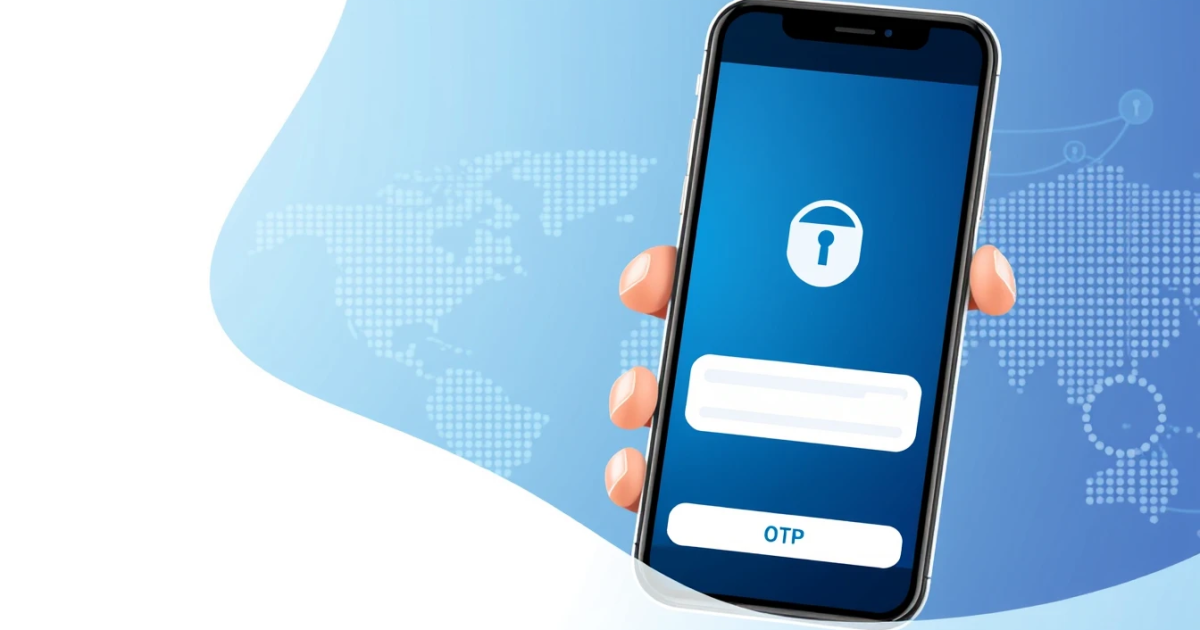
A phone number and verification code combination is the primary method online platforms use to confirm your identity before letting you create an account, log in, or complete a secure transaction. When you enter your phone number, the service sends a temporary passcode—often called an OTP or one-time password—via text message. You type that code back into the screen to prove you physically possess the device tied to that number.
Quick Answer
Phone verification links your digital account to a real-world phone number to prevent automated bot signups and secure your data. While convenient, public free numbers lack privacy and often fail to receive codes. For dependable access across different platforms, understanding the difference between public inboxes, temporary numbers, and private rental options is essential.
- Verification proves device ownership via a short code.
- Public free numbers are visible to everyone and fail frequently.
- Private rental numbers protect personal privacy for repeat logins.
What it means / how it works
Online security relies heavily on checking whether you are a real human being rather than an automated script. A phone number and verification code system achieves this through a multi-step digital handshake. When you type your mobile number into a registration form, the application triggers an automated system to generate a random code, usually four to six digits long.
This code routes through an SMS gateway, which connects software applications to mobile carrier networks. The carrier then delivers the text message to your mobile device. Once you read the message and type the correct digits into the website or app, the system matches your input against the generated code. If they match, your identity check succeeds.
This process relies on two core terms you should understand:
- SMS: Short Message Service, the traditional protocol used to send text messages across mobile networks.
- OTP: One-Time Password, a security code that expires shortly after generation, usually within 5 to 10 minutes, making stolen codes useless if intercepted later.
Platforms use this mechanism because traditional username and password combinations are vulnerable to data breaches, credential stuffing, and brute-force attacks. Requiring physical access to a phone number adds a necessary layer of account security.
Practical scenarios
You encounter phone number and verification code prompts across many different digital environments. Understanding where and why these requests happen helps you navigate online accounts more safely.
- Creating a new social media account: Platforms require a mobile number to prevent users from creating thousands of fake bot profiles that spread spam or misinformation.
- Logging into online banking: Financial institutions send a verification code to confirm that an incoming login attempt or money transfer comes from the actual account holder.
- Recovering a locked password: If you forget your password, identity platforms send an SMS code to your registered number so you can safely reset your credentials.
- Completing an online purchase: E-commerce checkouts often request 3D Secure or SMS verification to ensure your credit card is not being used fraudulently by a stranger.
- Setting up a new email inbox: Major email providers ask for a phone number during signup to verify that you are a genuine person rather than an automated bot.
- Accessing remote work portals: Employers use two-factor authentication (2FA) via text message to secure internal databases, customer records, and company software.
- Joining online marketplaces: Classified ad sites and buyer-seller platforms require phone verification to reduce scam listings and protect consumer trust.
- Signing up for dating apps: Dating services use mobile verification to verify user identities, reduce catfish profiles, and improve community safety.
Step-by-step
Completing a phone verification check is usually straightforward, but small mistakes can cause frustrating delays. Follow these steps to ensure your code arrives successfully.
- Enter your phone number correctly: Double-check that you have included the correct country calling code, area code, and local digits without any extra spaces or dashes unless the form specifically requires them.
- Select the correct country prefix: If the platform uses a drop-down menu, ensure your nation is selected so the system routes the message through the right international carrier routes.
- Wait for the SMS to arrive: Keep the verification screen open on your device. Most messages arrive within 30 to 60 seconds, though network congestion can occasionally cause minor delays.
- Type the digits carefully: Enter the verification code exactly as it appears in the message. Pay attention if letters or symbols are included, though most systems rely purely on numbers.
- Submit before expiration: Enter the code promptly. Because OTPs have a strict lifespan—often expiring in five minutes—waiting too long means the code will fail, requiring you to request a new one.
- Request a resend if necessary: If the timer runs out and no message appears, click the "Resend Code" or "Call Me" option provided by the application interface.
Safety/privacy/legal
Sharing your phone number online carries inherent privacy risks. When you hand your personal mobile number to every app, website, or service you use, you expose yourself to unwanted marketing calls, phishing text messages, and data brokers.
Furthermore, if a website suffers a security breach, your phone number can be linked to your real identity, email address, and browsing history. This exposure increases your risk of targeted scams, SIM-swapping attacks, and identity theft.
To protect your personal data, many privacy-conscious users separate their everyday communication numbers from online verification tasks. Using public free numbers found on the internet might seem convenient, but public inboxes expose your incoming codes to anyone else viewing the website. Anyone can read the verification messages on those shared pages, making them completely insecure for private accounts.
When legal compliance is considered, standard verification practices are completely legal as long as you use your own phone number or legitimate, authorized temporary services. However, using fake or unauthorized methods to bypass platform restrictions or commit fraud violates the terms of service of most websites and apps.
Best alternatives
Depending on your specific privacy needs, several alternatives exist when a website asks for your phone number and verification code.
If you only need a quick one-time check for a low-risk website, a temporary online number can prevent your personal phone from receiving spam. However, keep in mind that public numbers are visible to the public and cannot be used if you ever need to recover that account later.
For users who need a private, secure option without exposing their primary SIM card, dedicated virtual number platforms provide a reliable middle ground. For instance, services like PVACodes offer alternative SMS verification options and rental numbers that allow you to receive OTPs privately across various global apps and platforms.
Rental numbers are particularly useful if you need to log back into an account weeks or months later. Unlike temporary numbers that disappear instantly, a rental number stays assigned to you for a specific period, ensuring you can pass future login checks without losing access to your digital assets.
Frequently Asked Questions
Q: What is a phone verification code?
A verification code is a short sequence of numbers sent to your phone via SMS to prove that you own the mobile number you entered during account registration or login.
Q: Why did my verification code not arrive?
Codes fail to arrive due to weak cellular signal, carrier filtering, network congestion, incorrect country codes, or overloaded SMS gateways on the platform's side.
Q: Are free online SMS numbers safe to use?
No. Free online SMS numbers use public inboxes where anyone on the internet can read your messages, making them completely insecure for personal or financial accounts.
Q: Can I use a virtual number for online banking?
Most financial institutions block virtual, VoIP, or temporary numbers because they require traditional mobile or landline carrier connections for strict anti-fraud compliance.
Q: How long is a verification code valid?
Most verification codes expire within 5 to 10 minutes of generation for security reasons. If you miss the window, you must request a new code.
Q: What is the difference between SMS verification and 2FA?
SMS verification usually happens during signup or login, while two-factor authentication (2FA) is a broader security practice that can use SMS codes, authenticator apps, or hardware keys.
Q: Can I use the same phone number for multiple accounts?
Some platforms allow multiple accounts per phone number, but many strict websites limit you to one account per mobile number to prevent spam and duplicate profiles.
Q: What should I do if my phone number is already registered by someone else?
Contact the platform's support team to prove your ownership of the phone number. They can help disassociate the number from the unauthorized account.
Q: Why do apps ask for phone verification instead of email?
Phone numbers are much harder to automate in large quantities than email addresses, making phone verification an effective tool against bot signups and fake accounts.
Q: What is a rental phone number?
A rental phone number is a private virtual number leased for a specific duration, allowing you to receive multiple SMS verification codes and log into an account repeatedly over time.
Conclusion
Managing your phone number and verification code requirements safely requires balancing digital convenience with personal privacy. While standard SMS verification protects accounts from automated bots, handing out your primary mobile number everywhere invites unwanted spam and security risks.
Assess your needs before verifying an account. For quick, low-risk tests, temporary tools may suffice, but for repeat logins and better data privacy, consider using private rental options or dedicated virtual numbers to keep your personal information secure.