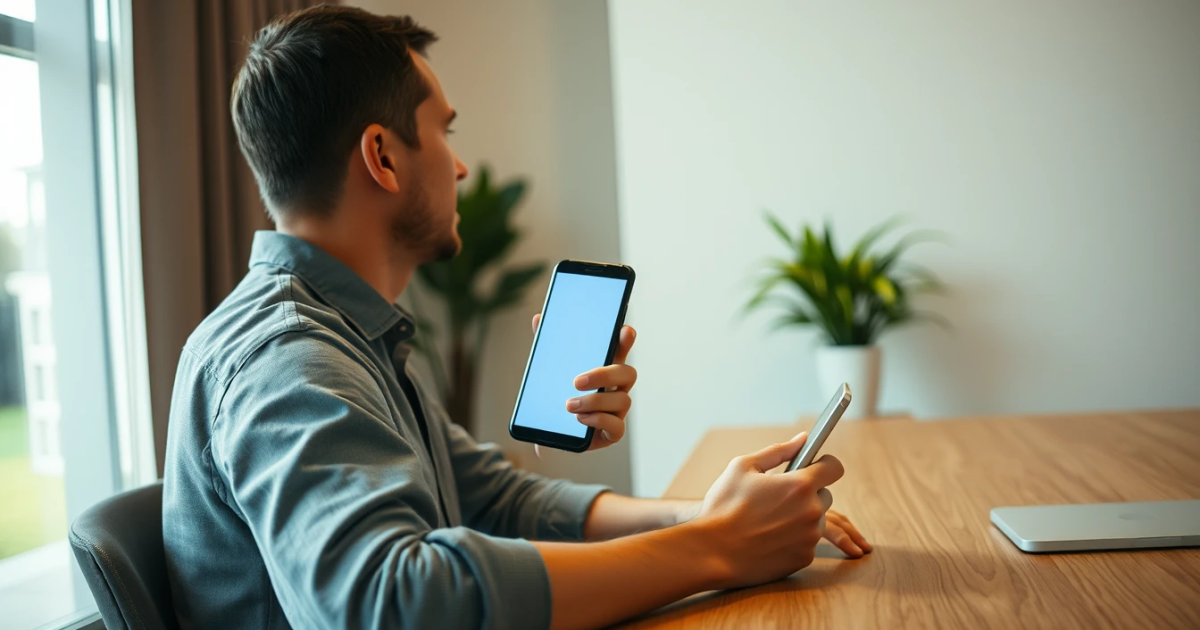
How to Text and Receive Texts Online Using Virtual Numbers
You can text and receive texts online by using virtual phone numbers or temporary web-based inbox services, allowing you to bypass the need for a physical SIM card when creating accounts, testing applications, or protecting your primary personal phone number from spam.
People search for ways to text and receive texts online for a few specific reasons. Some want to receive an OTP (one-time password) or 2FA (two-factor verification) code for a website without giving out their real mobile number. Others run marketing campaigns or manage customer support queues from a desktop computer instead of a handheld device. Whatever your specific use case, picking the right method keeps your messages landing reliably instead of disappearing into a void.
Quick answer
To text and receive texts online, use a web-based virtual number provider or an online SMS platform. Public free numbers work for low-security testing, but private rentals or dedicated numbers are necessary for actual account creation because platforms routinely block known public VoIP (Voice over Internet Protocol) prefixes.
Why Use Online Texting Services?
Managing text messages through a web browser or an API (application programming interface) changes how you handle digital communications. Physical phones are great for daily calls, but they tie you to a single geographic device and a locked SIM card. Online services remove that restriction.
Privacy is the primary driver for most users. When signing up for new online services, forums, or utility apps, handing over your personal cell number invites unwanted marketing calls and data broker tracking. Using a temporary or rented number creates a buffer between public platforms and your private life.
Business operations also benefit heavily. Small business owners often need a dedicated channel for client text messages without carrying a second smartphone around. Handling SMS through a shared dashboard lets multiple team members see and reply to incoming messages quickly.
Public Free Inboxes vs. Private Rental Numbers
When you start looking for ways to receive texts online, you will immediately find two distinct categories of services. Choosing the wrong one is the number one reason verification codes fail to arrive.
Public Free SMS Numbers
Public inboxes display incoming text messages on a web page for anyone to read. They cost nothing, require zero registration, and take five seconds to use. However, they suffer from severe operational limitations.
Because thousands of people use the exact same public numbers every day, major platforms like Google, WhatsApp, and social media networks maintain blocklists of these number ranges. If you try to verify an account using a free public number, the platform will often throw an error or reject the code instantly. Furthermore, anyone else visiting that public page can see every message sent to that number, including your verification codes and password resets.
Private Rented Numbers
Private numbers belong exclusively to you for a set rental period. When you use a paid private option instead of a public inbox, PVACodes offers rental numbers for many countries and apps, though availability varies. You receive an isolated inbox that nobody else can access.
Platforms treat private non-VoIP numbers much more favorably. Because the number is not flagged as a shared public resource, verification codes arrive consistently. This approach is essential if you want to compare free numbers vs private numbers to understand which option fits your security and budget requirements.
How to Receive SMS Online Step-by-Step
Setting up your online texting workflow takes just a few moments once you select a reliable provider. Follow this straightforward sequence to get your first message:
- Choose a provider: Select a reliable SMS verification service that offers numbers from the country you need.
- Select the service or country: Pick the specific platform you are trying to register with, or choose a general-purpose number if the service allows it.
- Acquire the number: Pay for the temporary or rented number using your account balance.
- Paste the number into your target app: Copy the assigned digits into the registration form of the website or application you are using.
- Refresh your online inbox: Wait a few seconds for the text message to appear on your provider dashboard. Most standard OTP messages arrive within 5 to 30 seconds.
If you are working with regional platforms, remember that dialing formats matter immensely. For instance, if you are targeting specific European users, reviewing resources like how Dutch SMS checks work helps you avoid formatting errors that instantly invalidate incoming traffic.
Common Reasons Verification Codes Fail to Arrive
Even with paid private numbers, occasional snags happen. Understanding why messages fail prevents frustration during critical signups.
- VoIP Flagging: Many apps automatically reject numbers originating from virtual carrier pools to prevent automated bot signups.
- Carrier Filtering: SMS aggregators sometimes drop incoming messages if the sending short-code has a poor reputation score or triggers spam filters.
- Incorrect Country Selection: Entering a local number format without the proper international country code will cause the destination server to bounce the request silently.
- Expired Rental Windows: If your temporary number rental expires before the platform sends the confirmation text, the message vanishes into unrouted space.
When dealing with regional services, subtle routing issues can appear. For instance, if you are attempting regional verifications, checking guides on temporary Bangladesh phone numbers or similar regional resources can highlight carrier-specific quirks that generic tutorials skip entirely.
Frequently Asked Questions
Is it legal to receive texts online using virtual numbers?
Yes. Using virtual numbers to receive text messages is legal in most jurisdictions. It is a standard practice for privacy-conscious users, developers testing software applications, and businesses managing customer communications.
Can I use free online numbers for WhatsApp or Telegram?
Most of the time, no. Major messaging apps aggressively block public VoIP and free online number ranges to prevent spam and fake accounts. You will typically need a private non-VoIP number to successfully receive verification codes on these platforms.
How long do temporary numbers stay active?
It depends entirely on the provider and the specific service tier. Some public numbers update by the minute, while private rented numbers can remain active for days, weeks, or months depending on your subscription settings.
Can I reply to text messages sent to my online number?
Many modern online SMS platforms support outbound texting, but inbound-only numbers are also common. Always check the specific features of your provider before purchasing if two-way communication is required for your project.
Will people know I am using an online number?
Standard users cannot tell the difference between a virtual mobile number and a physical SIM card. However, automated carrier lookups performed by financial institutions or strict security platforms can sometimes detect that a number is virtual.
What should I do if my verification code doesn't show up?
First, wait up to two minutes, as network congestion occasionally delays short-code delivery. If the code still hasn't arrived, release the number, switch to a different provider or region, and request a fresh code from the target app.
Final Recommendation
Texting and receiving texts online is straightforward when you bypass public free inboxes and use dedicated, private numbers for important accounts. Match your number type to the strictness of the platform you are targeting, always include proper international dialing codes, and keep a backup provider handy for difficult apps. Take a moment to evaluate your project requirements today and pick a service tier that matches your security needs.