How to Handle DocuSign Verification Number Online: A Complete Guide
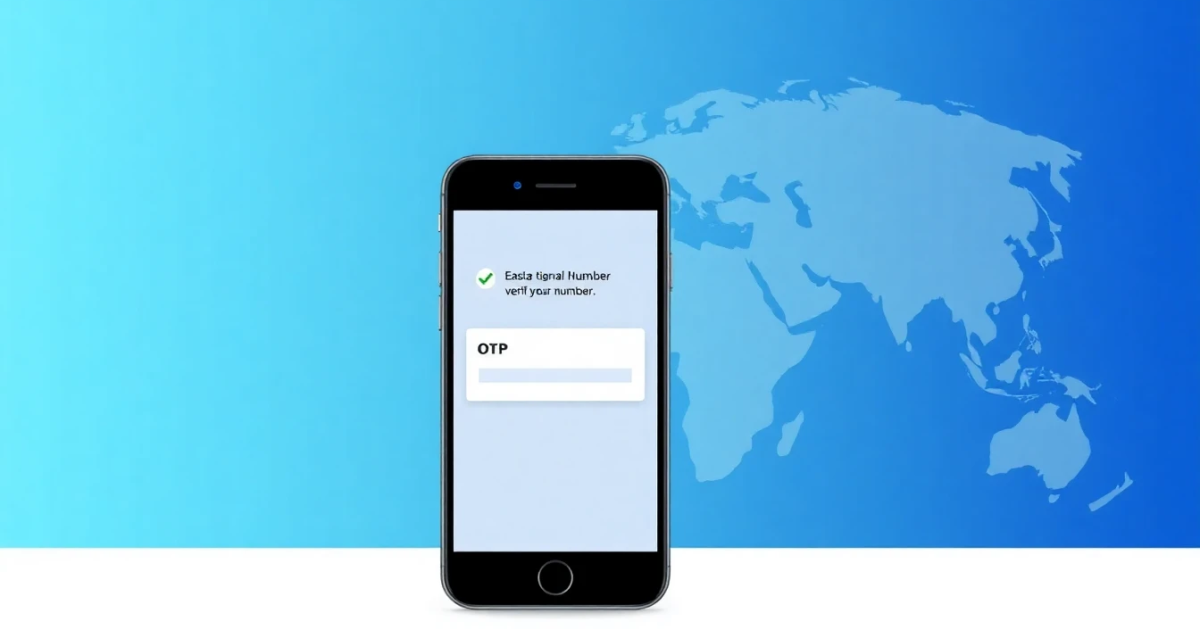
When you are trying to sign, send, or access a document on DocuSign, you might be asked to enter a verification number online to prove your identity. This process usually involves receiving a one-time password (OTP) via SMS or phone call. If you are stuck waiting for a code, trying to figure out how phone verification works for digital signatures, or wondering how secure the system is, this guide will walk you through everything you need to know.
Quick Answer
A DocuSign verification number online is a security code sent to your phone via SMS or voice call to confirm your identity before you can access or sign an electronic document. Senders use this to meet legal compliance standards. If your code does not arrive, check your signal, make sure the sender has your correct mobile number, and avoid using public or temporary numbers that may be blocked by security filters.
- Requires a valid SMS-capable phone number
- Sender chooses the verification method
- Temporary public numbers often fail due to anti-fraud rules
What It Means and How It Works
Electronic signature platforms like DocuSign handle legally binding agreements, financial contracts, real estate deeds, and confidential employment paperwork. Because these documents carry legal weight, platforms use authentication methods to verify that the person accessing the link is actually the intended recipient.
A verification number online—often referred to as SMS authentication, ID check, or OTP verification—is a security layer configured by the sender of the document. When you click the secure link in your email to open the envelope, DocuSign prompts you to enter a phone number or select from a list of numbers provided by the sender. The system then generates a short numeric code and sends it via Short Message Service (SMS) or voice.
Once you input the correct digits into the verification prompt on your screen, DocuSign unlocks the document. This proves that whoever accessed the document also had physical possession of or access to your mobile device at that exact moment.
Practical Scenarios
Phone verification for electronic documents comes up in several common business and personal workflows. Understanding these scenarios helps clarify why the security prompt appears:
- Real Estate Closings: Signing mortgage disclosures, purchase agreements, and title documents where strict identity confirmation is legally mandated.
- Human Resources and Onboarding: Signing employment contracts, tax forms, and direct deposit setups that contain sensitive Personally Identifiable Information (PII).
- Financial Services: Opening bank accounts, signing loan modifications, or reviewing wealth management documents that require high-security authentication.
- Legal Settlements: Executing non-disclosure agreements (NDAs), settlement terms, and power of attorney documents where tamper-evident tracking is essential.
- Corporate Procurement: Approving vendor agreements, multi-party contracts, and high-value purchase orders within enterprise teams.
- Healthcare Compliance: Signing patient intake forms, HIPAA disclosures, and telehealth consent agreements remotely.
- Cross-Border Agreements: Verifying international signers who may be using unfamiliar mobile networks or traveling abroad.
Step-by-Step Guide
If you are currently trying to pass a DocuSign verification prompt or preparing to send a document that requires recipient authentication, follow these steps to complete the process smoothly.
Step 1: Open the Secure Email Invitation
Locate the email notification sent to your inbox from DocuSign (usually displaying the sender's name and a yellow "Review Document" button). Click the button to launch the signing session in your web browser.
Step 2: Enter Your Phone Number
If the sender has enabled SMS authentication, a prompt will appear asking you to enter your phone number. Sometimes the sender has pre-populated the last four digits of your number as a hint, and you must enter the full matching number.
Step 3: Request the Code
Click the button to send the code. DocuSign’s automated system will dispatch a short numeric code to the mobile device you specified.
Step 4: Retrieve and Input the Code
Check your mobile phone for the incoming text message. Read the code carefully—it typically consists of 4 to 6 digits and expires within a few minutes. Type the code directly into the verification field on your screen.
Step 5: Proceed to the Document
Once verified, the platform will grant access to the document. You can then review the pages, click the signature tags, and complete the transaction.
Safety, Privacy, and Legal Standards
Electronic signature verification is not just about convenience; it is tied to global legal frameworks such as the Electronic Signatures in Global and National Commerce Act (ESIGN) in the United States and the eIDAS regulation in the European Union.
When a sender requires a verification number online, they are building an audit trail. This digital certificate records the date, time, IP address, and authentication method used. If a signature is ever contested in court, the verification log acts as admissible evidence proving that the signer was authenticated via a unique communication channel.
However, privacy is an important consideration. Senders only see the phone number required for verification, and DocuSign encrypts data in transit and at rest. Security experts advise against using public, shared, or untrusted temporary phone numbers for legal documents. If a public number receives your verification code, anyone monitoring that public inbox could theoretically access your confidential paperwork.
Best Alternatives
If you are a document sender looking for reliable ways to test your workflows, or if you manage high-volume verification processes across different regions, standard mobile carrier routing is not always enough. Delays, carrier filtering, and regional restrictions can sometimes block legitimate verification codes.
For individuals and developers managing automated workflows, testing API integrations, or handling privacy-sensitive account registrations beyond basic document signing, specialized phone verification providers offer alternative avenues. Platforms like PVACodes provide virtual phone number solutions and temporary SMS reception tools for users who need to manage multi-platform verifications efficiently without exposing personal mobile numbers.
Frequently Asked Questions
What is a DocuSign verification number online?
It is a one-time security code sent to your mobile phone via SMS or voice call to verify your identity before you can open and sign an electronic document.
Why am I not receiving my DocuSign verification code?
Common reasons include poor cellular signal, carrier spam filters blocking automated messages, incorrect phone number entry, or using a temporary VoIP number that the platform's security filters reject.
Can I use a landline for DocuSign verification?
Yes, if the sender has enabled voice call authentication. Instead of receiving a text message, your phone will ring and an automated voice will read the verification code aloud.
Are temporary phone numbers safe to use for DocuSign?
No. Public temporary numbers expose your verification codes to anyone viewing the public inbox. This compromises your document security and privacy.
How long is a DocuSign verification code valid?
Most verification codes expire within 5 to 10 minutes for security reasons. If it expires, you will need to request a new code from the verification screen.
Who pays for the SMS verification message?
The cost is covered by the platform or the sender. Standard carrier messaging rates may apply to your phone depending on your mobile plan.
What should I do if my verification code says invalid?
Double-check that you are typing the most recently requested code. If you requested multiple codes in a row, older codes become invalid immediately. Wait a moment and request a fresh code.
Can the sender see my phone number?
Yes, the document sender usually configures or views the phone number attached to the envelope audit trail to maintain compliance records.
Does DocuSign require phone verification for every document?
No. Phone verification is optional and is only required if the person sending the document specifically enables ID check or SMS authentication settings.
How can I bypass DocuSign phone verification?
You cannot bypass verification if the sender has made it a mandatory requirement. You must contact the sender directly to request an alternative authentication method if your phone is unavailable.
Conclusion
Navigating a DocuSign verification number online is a straightforward security step designed to protect your identity and satisfy legal signature standards. By ensuring you use a reliable, private mobile phone number and entering your OTP promptly, you can complete document signing without unnecessary delays. Always verify that your connection is secure and reach out to your document sender if delivery issues persist.