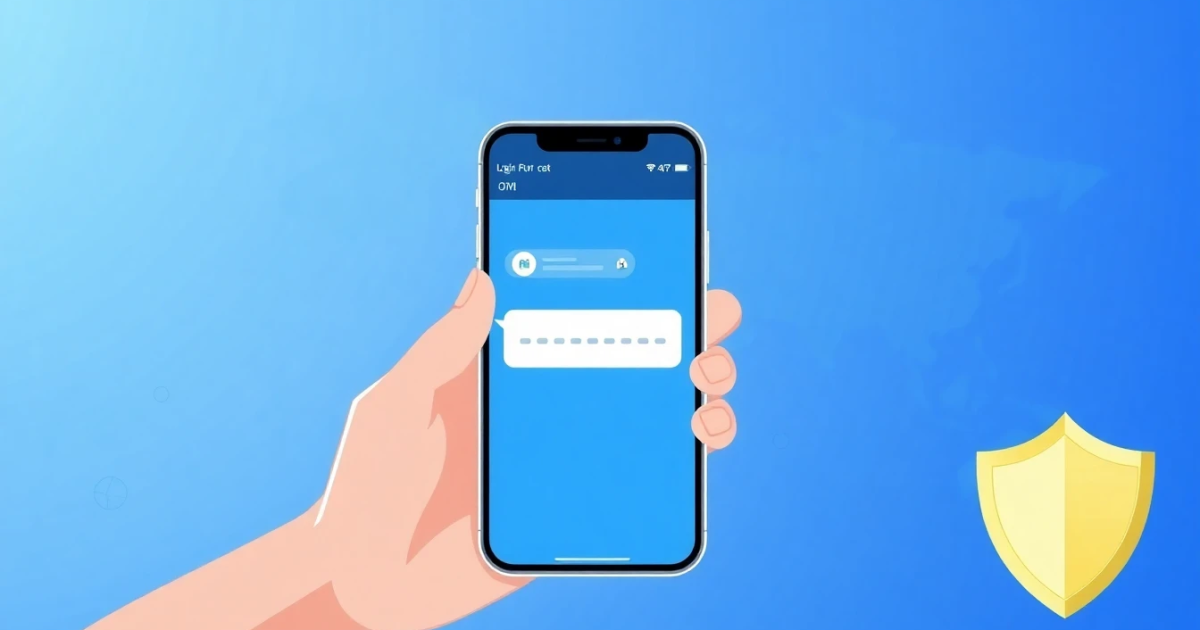
Hotels.com Phone Verification Service: How It Works and Why You Need It
A Hotels.com phone verification service refers to the security step where the platform sends a one-time password (OTP) via text message or call to confirm your mobile number before you can complete a booking, access an account, or resolve a support issue. This process helps prevent automated fraud, secures user accounts, and confirms that a real traveler is making the reservation.
Quick Answer
Hotels.com uses phone verification to secure accounts and confirm bookings by sending a short verification code to your mobile device. While standard SMS verification works for most users with an active mobile carrier, travelers facing carrier blocks, roaming restrictions, or privacy concerns sometimes look for alternative ways to complete the verification check.
- Requires a working phone number that can receive SMS or voice calls
- Protects your loyalty rewards, credit card details, and booking history
- Can fail due to network delays, strict roaming filters, or unsupported VoIP numbers
What It Means and How It Works
When you create an account, log in from a new device, redeem OneKeyCash rewards, or book a hotel stay, Hotels.com may prompt you to verify your identity. This security measure relies on short message service (SMS) technology or automated phone calls to send a temporary numeric code.
The system works by generating a random code on the server side and dispatching it through a telecom gateway to your mobile carrier. Once your phone receives the message, you type the code back into the website or mobile app. If the code matches and has not expired, the system authenticates your session and allows you to proceed.
Platforms implement this check to block bots, prevent unauthorized access to stored credit card information, and protect loyalty accounts from being compromised by credential stuffing attacks. However, legitimate users can sometimes run into roadblocks if their carrier blocks shortcodes, if they are traveling internationally without local cellular service, or if they prefer not to share their personal mobile number online.
Practical Scenarios
- Creating a New Account: Registering for a new profile or joining the loyalty rewards program often requires a valid mobile number to deter fake accounts.
- Redeeming Rewards: Using accumulated rewards or gift balances usually triggers an extra security step to ensure the account owner is authorizing the redemption.
- Logging in from a New Device: Accessing your account from an unrecognized computer, tablet, or browser prompts a verification check to protect your saved booking details.
- Modifying or Canceling Reservations: Making major changes to an active itinerary may require re-authentication to prevent unauthorized third parties from altering your travel plans.
- Resolving Customer Support Inquiries: Support agents may send a quick verification code to your phone to confirm your identity before discussing sensitive reservation details.
- Traveling Abroad with Limited Roaming: Users crossing international borders who lack local mobile reception often struggle to receive standard carrier text messages.
- Protecting Personal Privacy: Travelers who wish to avoid sharing their personal phone number with third-party booking platforms look for alternative ways to handle verification.
- Overcoming Carrier Delivery Delays: Network congestion or strict carrier spam filters can delay incoming authentication codes, halting the booking process.
Step-by-Step Guide
Completing the verification process on Hotels.com is usually straightforward if you have a reliable mobile connection. Follow these steps to complete your verification without unnecessary delays:
- Navigate to the Hotels.com login, sign-up, or checkout screen where the phone number field appears.
- Select your country code from the dropdown menu to ensure the system formats your number correctly.
- Enter your active mobile phone number without adding extra zeros or country prefixes that are already handled by the menu.
- Click the button to send the verification code via text message (SMS) or voice call.
- Wait up to 60 seconds for the message to arrive. Keep the browser tab open and do not close the app.
- Retrieve the numeric code from your messages app.
- Type or paste the code into the designated verification box on Hotels.com.
- Submit the code to finalize your authentication and continue with your booking or account access.
Safety, Privacy, and Legal Considerations
Sharing your phone number with large booking platforms is standard practice, but it comes with privacy considerations. When you link your personal mobile number to a travel profile, that data is stored on corporate servers and may be used for marketing communications, promotional texts, or account recovery alerts.
From a security standpoint, phone verification significantly reduces the risk of account takeover. If a hacker steals your password, they still cannot access your account or redeem your rewards without physical access to your mobile device.
However, travelers who value digital privacy often question whether providing a personal number is always necessary. Public networks, shared computers, and untrusted Wi-Fi connections can also expose your personal details if you are not careful. If you encounter issues where verification codes fail to arrive, check your device settings to ensure shortcode messaging is not blocked by your carrier.
Best Alternatives
If you cannot use your primary mobile number or want an alternative approach for receiving verification messages online, several options exist depending on your specific needs.
Traditional mobile carriers remain the most widely accepted option for all travel platforms, but they lack anonymity. Voice over IP (VoIP) numbers can sometimes be used, though many major booking sites flag and block them to prevent fraud.
For users who need temporary number solutions, rental numbers, or specialized digital SMS verification tools, platforms like PVACodes offer alternative ways to receive OTP messages securely online without exposing personal mobile data.
Frequently Asked Questions
Why is Hotels.com asking for my phone number?
Hotels.com asks for your phone number to verify your identity, secure your account against unauthorized access, and confirm legitimate travel bookings. It prevents automated bots from creating fake profiles or abusing promotional offers.
What should I do if the verification code does not arrive?
If your code does not arrive within a minute, check your cellular signal, ensure your phone is not blocking shortcode messages, and request a new code. If the issue persists, try using an alternative network or contact customer support.
Can I use a landline number for verification?
Most online verification systems require a mobile number capable of receiving SMS text messages. If the platform offers a voice call option, a landline might work, but text-only verifications will fail on fixed-line numbers.
Does Hotels.com accept VoIP numbers?
Many major travel and hospitality platforms automatically flag or block VoIP numbers to prevent fraudulent bookings and bot activity. Standard mobile carrier numbers have a much higher success rate.
Is phone verification mandatory on Hotels.com?
Phone verification is typically triggered during specific actions, such as creating a new account, logging in from an unfamiliar device, or completing high-value transactions. You cannot bypass the check if the system flags your session.
How long is the OTP code valid?
Verification codes sent by Hotels.com usually expire within 5 to 10 minutes. If your code expires before you enter it, you will need to request a fresh code from the verification screen.
Can I change my phone number after verification?
Yes, you can update your phone number in your account settings under personal information. You may be asked to verify your old number or password before making the change.
Are my personal phone details safe with Hotels.com?
Hotels.com uses standard data encryption and security protocols to protect user information. However, like any major digital platform, user data is subject to their privacy policy regarding marketing and account management.
What causes verification errors during checkout?
Verification errors usually happen due to typing mistakes in the phone number, incorrect country codes, weak network signals, or temporary server timeouts on the platform's side.
How can I protect my travel account from hacking?
To keep your account secure, use a strong and unique password, enable two-factor authentication where available, never share your OTP codes with anyone, and always log out when using public computers.
Conclusion
Navigating the Hotels.com phone verification service is a standard part of modern travel booking and account management. While it occasionally causes minor delays due to network issues or carrier filtering, it plays a vital role in protecting your personal data, rewards balance, and reservations from unauthorized access.
Ensure your mobile device has a stable connection when booking travel, keep your account details up to date, and choose secure alternative methods if you need to protect your personal phone privacy online.