5 Smart Ways to Use a Temporary Phone Number for Privacy and Security
5 Smart Ways to Use a Temporary Phone Number for Privacy and Security
If you've ever hesitated before giving out your phone number online, you're not alone. Your real number is a direct line to your personal life, and once it's out there, it can be hard to take back. Temporary phone numbers offer a simple solution. They let you receive calls and texts without exposing your actual number to strangers, companies, or apps you don't fully trust. Whether you're signing up for a new service, selling something online, or just want to keep your private life private, these options give you control. This list covers five practical ways to get and use temporary phone numbers, starting with a service built specifically for online verification.
- PVACodes for Quick Online Verifications
PVACodes specializes in providing temporary phone numbers for account verification across hundreds of platforms. The service works by giving you a real phone number that can receive SMS messages for a short period, usually just long enough to complete a signup process. You select the service you need to verify, choose a country, and receive a number instantly. Within minutes, the verification code appears in your dashboard.
This approach is particularly useful when you need to create multiple accounts or test services without linking them to your personal number. The platform supports major apps like WhatsApp, Telegram, Google, Facebook, and dozens of others. Numbers are available from many countries, which helps if a service requires a specific region.
Pricing is straightforward and based on the service you're verifying. Most verifications cost between a few cents and a couple of dollars, depending on the platform and country. You pay only for what you use, with no monthly subscriptions or hidden fees. The system is automated, so you get your number immediately and can see incoming messages in real time.
The main advantage here is speed and reliability. Because PVACodes focuses specifically on verification, their numbers work consistently with popular platforms. You don't have to worry about whether a number will be accepted or if you'll receive the code. The service handles the technical side, and you simply copy the verification code when it arrives. For anyone who regularly needs to verify accounts or wants to keep their real number private during signups, this type of dedicated service saves time and protects your privacy without complication.
- Google Voice for a Free Secondary Number
Google Voice gives you a free phone number that works for calls, texts, and voicemail. It's tied to your Google account rather than a physical SIM card, which means you can use it on any device with internet access. The setup takes about five minutes. You choose a number from available options in your area code, link it to your existing phone, and start using it immediately.
This option works well if you need a long-term secondary number that feels permanent but keeps your real number private. You can give out your Google Voice number to people you meet through classifieds, dating apps, or business contacts. If someone becomes a problem, you can block them or even change your Google Voice number without affecting your actual phone service.
The service includes useful features like voicemail transcription, call screening, and the ability to route calls to multiple devices. You can set it to ring your phone, your computer, or both. Text messages appear in the Google Voice app, which is available for iOS and Android. You can also access everything through a web browser.
There are some limitations to know about. Google Voice is currently only available in the United States, and you need an existing U.S. phone number to set it up. The number can't be used for all verification purposes because some services recognize and block VOIP numbers. Still, for everyday situations where you want a buffer between your personal number and the outside world, Google Voice provides a solid free option that doesn't expire.
- Burner Apps for Short-Term Disposable Numbers
Burner apps like Burner, Hushed, and CoverMe let you create temporary phone numbers that you can dispose of whenever you want. The concept is simple: you generate a new number within the app, use it for as long as you need, then delete it when you're done. These numbers function like regular phone numbers for calls and texts, but they exist only in the app.
This approach is ideal for situations where you need a number for a limited time. Selling furniture on Craigslist? Create a burner number for that transaction and delete it once the item is sold. Going on a few dates with someone new? Give them a burner number until you decide whether you trust them with your real contact information. The flexibility to create and destroy numbers on demand puts you in control.
Most burner apps work on a credit system. You buy credits or subscribe to a plan, then use those credits to create numbers that last for a set period, like a week or a month. Prices vary, but expect to pay anywhere from a few dollars for a short-term number to around fifteen dollars monthly for unlimited use. Some apps let you keep a number longer by adding more credits or renewing it.
The quality of these services varies. Some have clean interfaces and reliable call quality, while others feel clunky or have connection issues. Read reviews before choosing one, and test it with a friend before giving the number to someone important. The best burner apps also include features like auto-reply messages, call forwarding, and the ability to send picture messages. For temporary needs where you want a number that works like a real phone but disappears when you want it to, burner apps offer a practical middle ground between permanent secondary numbers and one-time verification services.
- Temporary Email Services with Phone Integration
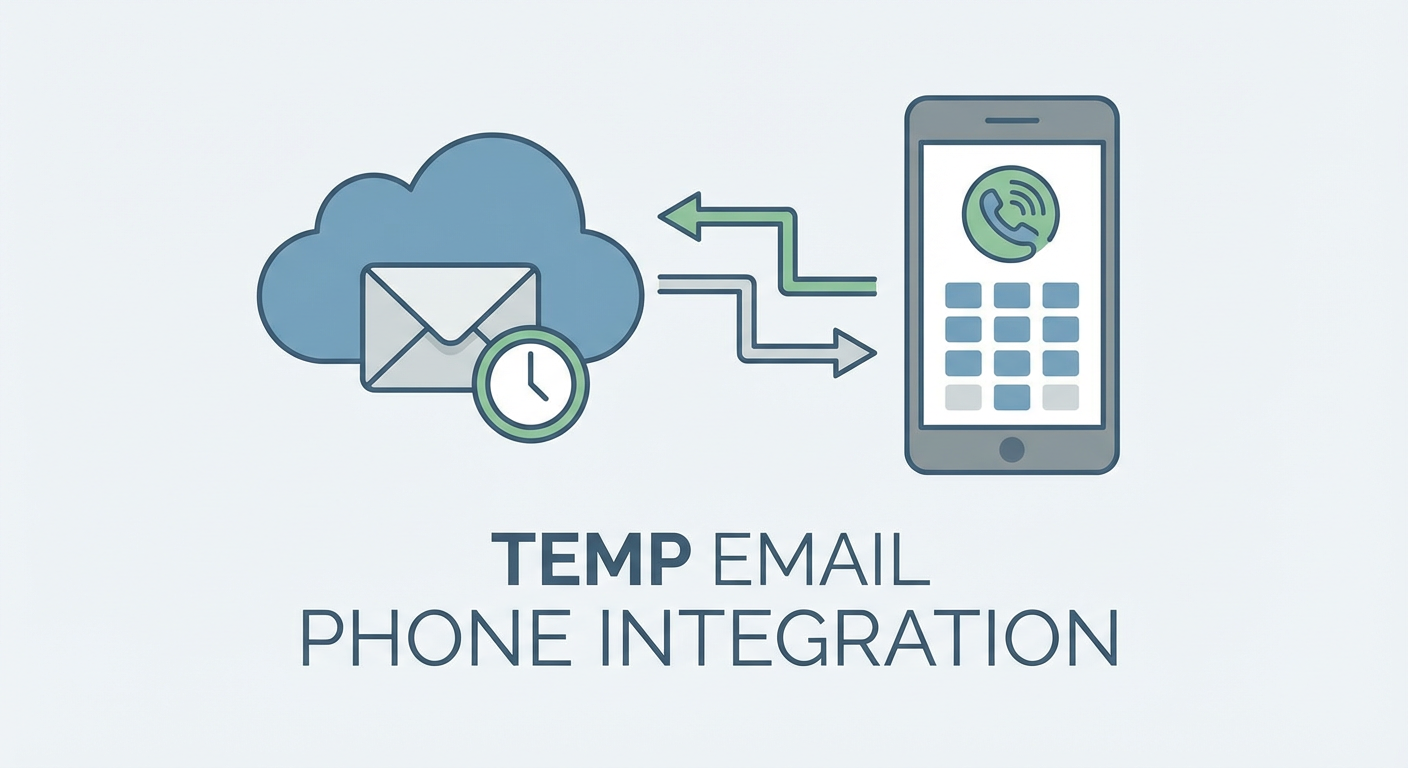
Some temporary email services have expanded to include temporary phone numbers as part of their privacy toolkit. Services like Receive-SMS-Online, FreePhoneNum, and similar platforms offer numbers you can use to receive text messages through a web interface. You visit the site, pick a number from their available list, and check the public page to see messages sent to that number.
These services are completely free and require no signup. You simply select a number and use it immediately. The catch is that all messages are public. Anyone who visits the same page can see every text sent to that number. This makes them suitable only for non-sensitive verifications where you don't care if others see the code.
Use this type of service when you need to verify an account on a platform you don't plan to use seriously, or when you're testing something and don't want to give any real contact information. It works for grabbing a one-time code to access a download, sign up for a trial, or bypass a registration wall. Never use these numbers for anything connected to your identity, finances, or personal information.
The numbers available on these platforms change frequently. A number might work today and be gone tomorrow. They also get recycled and used by many people, which means some services block them because they recognize them as temporary or shared numbers. Success rates vary depending on what you're trying to verify.
Despite the limitations, these free public number services serve a purpose. They're the quickest way to get past a verification step when you don't care about privacy for that specific message. Just remember that anything sent to these numbers is visible to anyone who knows where to look. For quick, low-stakes verifications where security isn't a concern, they get the job done without costing anything.
- Carrier-Based Temporary Numbers Through Prepaid SIMs
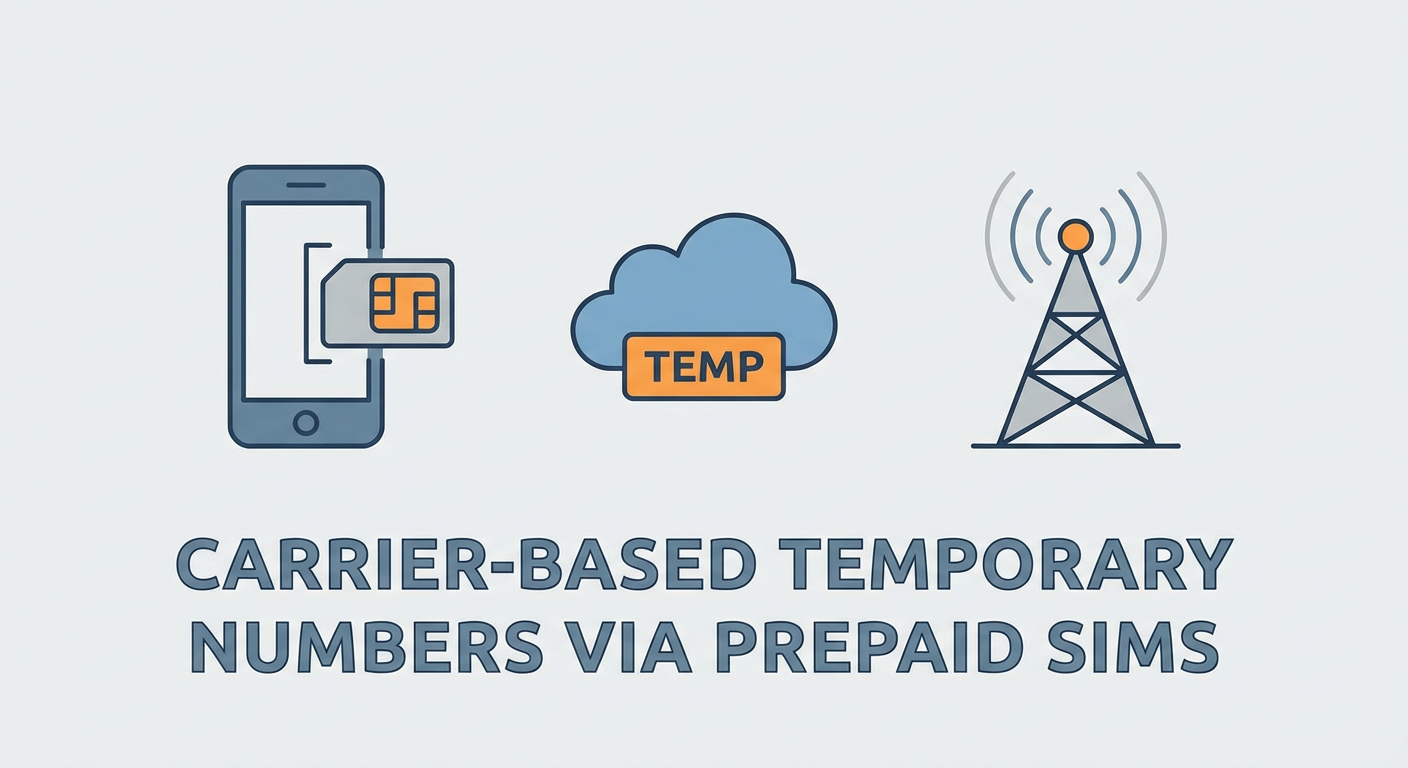
Sometimes the most straightforward solution is a physical prepaid SIM card. You can buy one from a convenience store, carrier shop, or online retailer, activate it with minimal information, and have a real phone number that works exactly like any other. Once you're done with it, you simply stop refilling the account and let it expire.
This method gives you a genuine carrier number that isn't flagged as VOIP or temporary. It works for any verification, call, or text without restrictions. Banks, government services, and security-conscious apps that reject virtual numbers will accept these without issue. The number is yours alone, not shared with anyone else, and messages are private.
The trade-off is that you need to manage a physical SIM card. If you have an old phone lying around, you can dedicate it to the prepaid number. Some newer phones support dual SIM slots or eSIM, which lets you run two numbers on one device. Alternatively, you can swap SIMs when needed, though that becomes inconvenient quickly.
Cost varies by carrier and country. In many places, you can get a prepaid SIM for under ten dollars with some initial credit included. You add more money only when you need to keep the number active. If you stop paying, the carrier eventually recycles the number. This makes it temporary by default unless you choose to maintain it.
Prepaid SIMs work best when you need a temporary number that functions identically to a permanent one, especially for verifications that reject virtual services. They're also useful if you travel and want a local number without committing to a long-term plan. The physical nature makes them less convenient than app-based solutions, but the reliability and acceptance rate make up for it. For high-stakes verifications or situations where you absolutely need a number that won't be questioned, a prepaid SIM delivers the most dependable results.
Temporary phone numbers have become an important tool for managing your privacy in a world that constantly asks for your contact information. Whether you choose a dedicated verification service, a free option like Google Voice, a disposable burner app, a public web-based number, or a prepaid SIM card depends on your specific needs. Each approach offers different levels of privacy, convenience, and cost. The key is matching the solution to the situation. For quick verifications, specialized services work best. For ongoing secondary numbers, something like Google Voice or a burner app makes sense. For maximum compatibility, a prepaid SIM can't be beaten. Start with the option that fits your immediate need, and remember that you can always try different approaches for different situations. Your phone number is personal information worth protecting, and these tools make that protection accessible to everyone.