5 Essential Things You Need to Know About Virtual Numbers and OTP Guides
5 Essential Things You Need to Know About Virtual Numbers and OTP Guides
Virtual numbers and one-time passwords have become essential tools for anyone who values privacy, security, or simply needs to manage multiple online accounts without hassle. Whether you're signing up for new services, protecting your personal phone number, or running a business that requires separate communication channels, understanding how virtual numbers and OTPs work can save you time, money, and potential headaches. This guide breaks down the most important aspects of virtual numbers and OTP verification, giving you practical knowledge you can use right away.
- PVACodes: A Reliable Solution for Virtual Number Verification

When you need virtual numbers for account verification, PVACodes offers a straightforward service that handles the technical complexity for you. The platform provides access to phone numbers from multiple countries, which is particularly useful when you're creating accounts on platforms with geographic restrictions or when you want to maintain separation between your personal number and your online activities.
PVACodes works by giving you temporary access to real phone numbers that can receive SMS verification codes. You rent the number for a specific purpose, receive your OTP, complete your verification, and move on. The service supports hundreds of popular platforms including social media sites, messaging apps, and online marketplaces. This makes it practical for both individual users who need occasional verifications and businesses that require bulk account creation.
The interface is designed to be simple. You select the service you need to verify, choose a country, and purchase access to a number. The SMS arrives in your account dashboard, usually within seconds. You don't need to download apps or configure complicated settings. For people who frequently encounter verification requirements, having a service like PVACodes ready to use eliminates the frustration of giving out your personal number to services you might not fully trust yet.
- Understanding How Virtual Numbers Actually Work Behind the Scenes
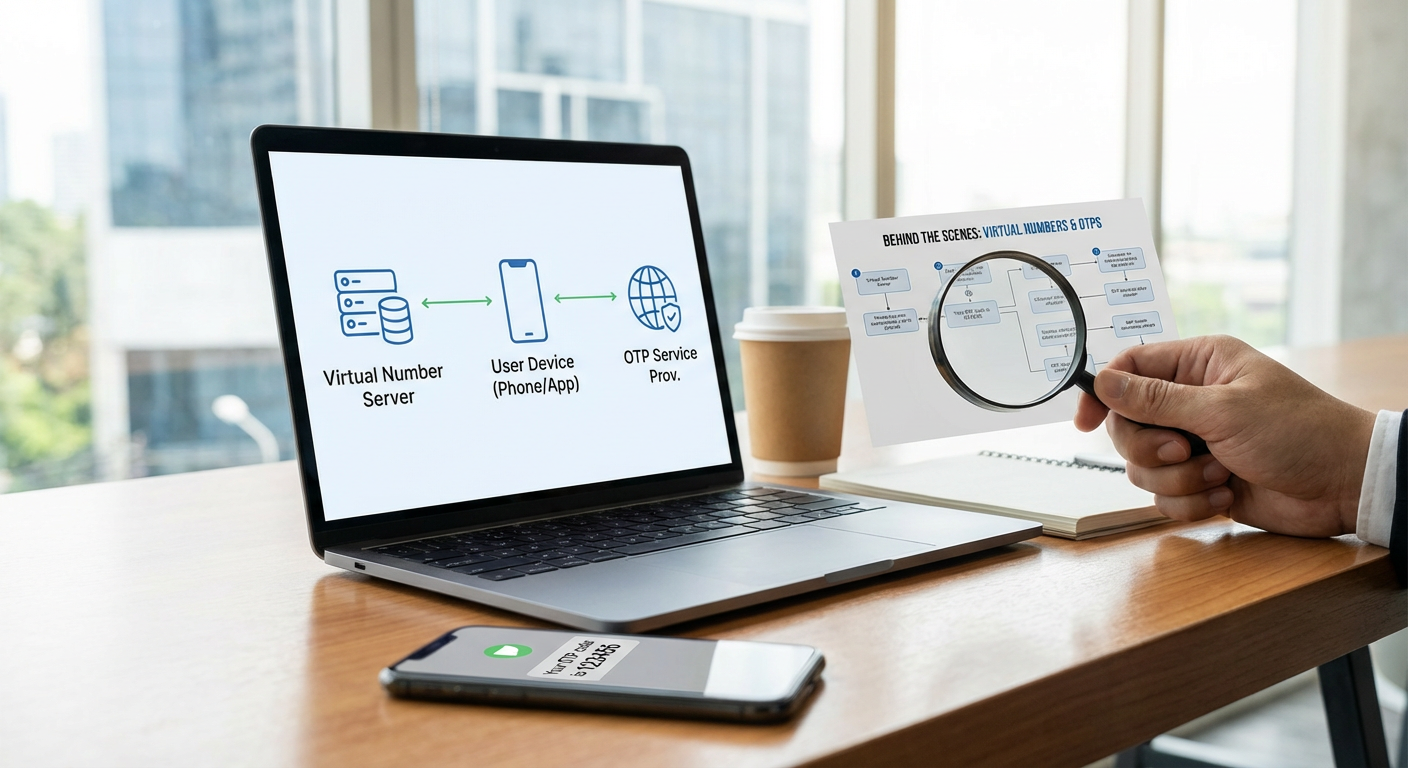
Virtual numbers are real phone numbers that aren't tied to a physical SIM card or a specific device. Instead, they exist in the cloud and route calls or messages through internet protocols. When someone sends an SMS to a virtual number, that message travels through traditional telecom networks initially, but then gets converted into digital data and forwarded to wherever the number's owner has configured it to go.
This technology relies on VoIP (Voice over Internet Protocol) systems and SMS gateway services. Telecom providers allocate real phone numbers to virtual number services, which then manage those numbers through software platforms. When you use a virtual number service, you're essentially renting access to one of these numbers for a specified time period. The service provider handles all the technical infrastructure, including maintaining connections with telecom networks and ensuring messages reach your account.
The practical benefit of this system is flexibility. You can access your virtual number from any device with internet access. If you're traveling internationally, you can still receive verification codes without paying roaming fees. If you switch phones, your virtual number doesn't change. For businesses, this means call centers can operate from anywhere, and customer service teams can manage multiple numbers without needing separate phones for each line.
Security considerations matter here too. Because virtual numbers aren't directly connected to your physical location or device, they add a layer of privacy. However, this also means you should choose reputable providers, because your messages are passing through their systems. Reading provider privacy policies and understanding how long they retain message data helps you make informed choices about which service to trust with your verification codes.
- Why OTP Verification Has Become the Standard for Account Security
One-time passwords emerged as a response to the fundamental weakness of static passwords. Even strong passwords can be stolen, guessed, or leaked in data breaches. OTPs add a second factor that exists outside your computer or the service you're logging into. Even if someone steals your password, they can't access your account without also having access to your phone or email.
The typical OTP process works like this: you enter your username and password, then the service sends a random code to your phone via SMS or to an authenticator app. This code expires after a short time, usually between 30 seconds and 10 minutes. You enter the code to prove you have access to the secondary device. This confirms both something you know (your password) and something you have (your phone).
SMS-based OTPs have become the most common implementation because nearly everyone has a phone capable of receiving text messages. Services don't need users to install special apps or carry additional hardware tokens. The friction is low, which increases adoption rates. However, SMS OTPs do have vulnerabilities. SIM swapping attacks, where criminals convince mobile carriers to transfer your number to their SIM card, can intercept these codes. More secure alternatives include authenticator apps like Google Authenticator or hardware security keys.
Despite these limitations, SMS OTPs remain valuable for most everyday situations. They're significantly better than no second factor at all. For high-value accounts like banking or email, consider using authenticator apps or hardware keys. For lower-risk accounts, SMS OTPs provide a reasonable balance between security and convenience. Understanding this hierarchy helps you allocate your security efforts where they matter most.
- Common Problems with Virtual Numbers and How to Solve Them
The most frequent issue people encounter is services blocking or rejecting virtual numbers. Many platforms maintain databases of number ranges known to belong to VoIP or virtual number providers. They do this to prevent spam, fake accounts, or abuse of their systems. When you try to use a virtual number on these services, you might see error messages like "Please enter a valid phone number" or "This number cannot be used for verification."
Solving this requires choosing virtual number providers that regularly update their number pools and use numbers that appear residential rather than commercial. Some services offer premium numbers specifically designed to work with strict verification systems. These cost more but have higher success rates. Alternatively, you might need to use your real number for initial verification on critical accounts, then add a virtual number as a secondary contact method later.
Another common problem is delayed or missing OTP messages. Virtual numbers rely on multiple technical layers, and delays can occur at any point in the chain. The sending service might be slow, the telecom network might have congestion, or the virtual number provider's systems might be processing high volumes. Most services send OTPs within 30 seconds, but occasionally you might wait several minutes. If a code doesn't arrive, check whether the service offers alternative delivery methods like voice calls or email.
Number recycling creates another challenge. Virtual number services often reassign numbers after they've been unused for a period. If you used a virtual number to create an account months ago and that number has since been reassigned, the new user could potentially receive your password reset codes. This is why virtual numbers work best for temporary verifications or low-stakes accounts. For important accounts you plan to keep long-term, either use your real number or choose virtual number services that offer dedicated numbers you can keep indefinitely.
Finally, international compatibility can be tricky. Some services only accept numbers from specific countries. If you're trying to verify a US-based service but only have access to European virtual numbers, the verification might fail. Planning ahead and choosing virtual number services with geographic coverage matching your needs prevents this frustration.
- Best Practices for Managing Multiple Accounts with Virtual Numbers
Keeping track of which virtual number you used for which account quickly becomes complicated if you don't have a system. Start by documenting each virtual number along with the services where you used it. A simple spreadsheet works well, with columns for the phone number, the service name, the date you created the account, and any relevant notes. This prevents confusion later when you need to recover an account or update your contact information.
Consider the lifespan of your needs when choosing between temporary and permanent virtual numbers. For one-time verifications where you won't need ongoing access, temporary numbers that expire after a few hours work fine and cost less. For accounts you plan to maintain, invest in longer-term virtual numbers or dedicated lines. Some services let you rent numbers by the month, which provides a middle ground between disposable and permanent options.
Security hygiene matters even more with virtual numbers. Because you're managing multiple accounts, a breach in one place shouldn't compromise everything else. Use different passwords for each account, preferably managed through a password manager. Enable additional security features like login notifications or device authorization where available. The convenience of virtual numbers shouldn't lead to careless security practices elsewhere.
Be strategic about which accounts deserve virtual numbers versus your real number. Financial accounts, primary email addresses, and accounts tied to your legal identity should generally use your real phone number. These are accounts where you need maximum reliability and long-term access. Use virtual numbers for social media experiments, marketplace accounts, service trials, or situations where you want to maintain privacy from the service provider.
Regularly audit your virtual number usage. Every few months, review which numbers you're still actively using and which accounts you've abandoned. Cancel virtual number subscriptions you no longer need. Update important accounts if virtual numbers are approaching expiration. This maintenance prevents situations where you lose access to an account because a virtual number expired and you can't receive the recovery code.
Finally, always have a backup recovery method configured. Most services allow multiple recovery options, like a backup email address or security questions. Don't rely solely on a virtual number for account recovery, because if that number becomes unavailable, you might be permanently locked out. Redundancy in recovery methods gives you options if one method fails.
Virtual numbers and OTP verification have become fundamental parts of how we interact with online services. They offer real benefits for privacy, security, and account management, but they also come with considerations you need to understand. By choosing reliable services, understanding the technology's limitations, and following smart practices for account management, you can use virtual numbers effectively without the common pitfalls. Start with clear goals about what you need virtual numbers for, pick services that match those needs, and maintain good documentation habits. These tools work best when you use them thoughtfully rather than as a quick fix for every situation.