3 Brilliant Ways Temporary Phone Numbers Save You From Online Verification Nightmares
3 Brilliant Ways Temporary Phone Numbers Save You From Online Verification Nightmares
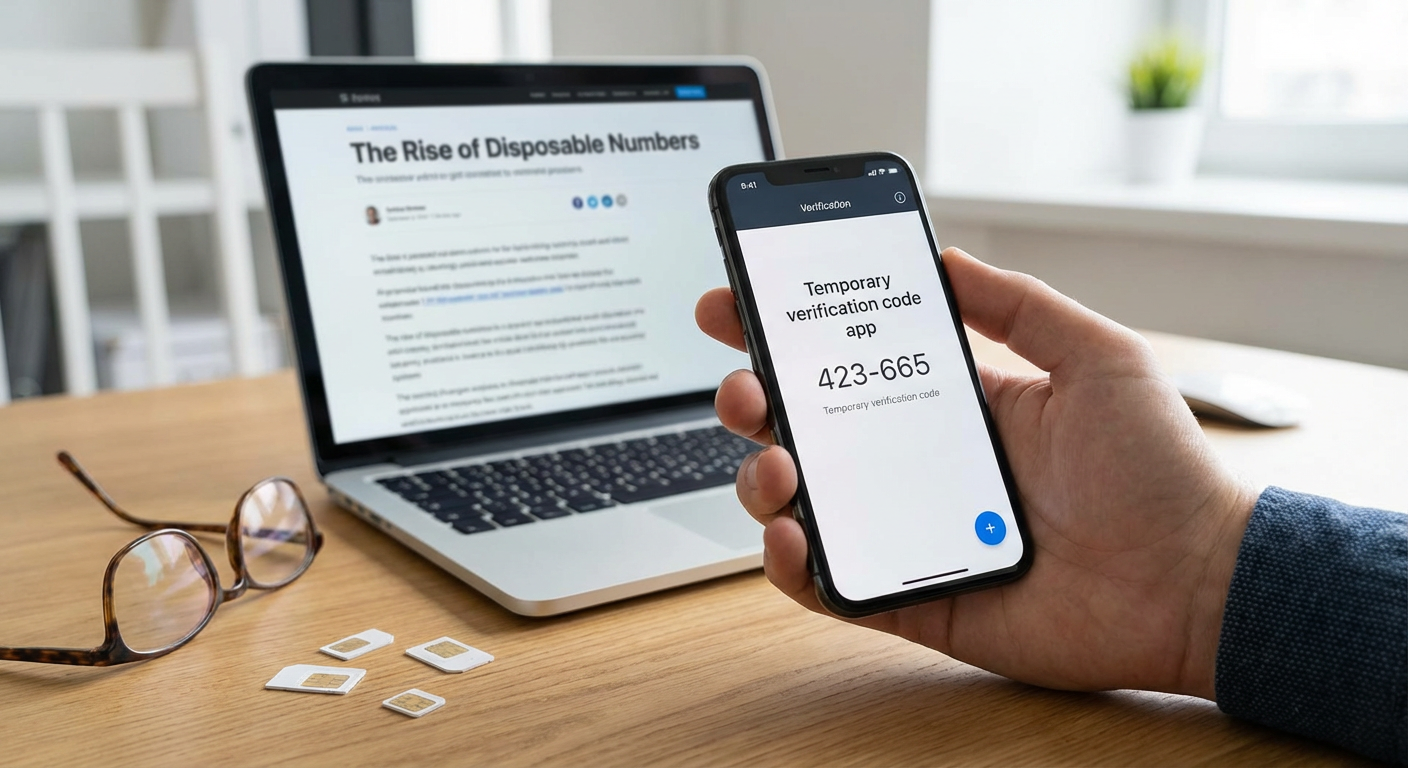
If you've ever tried to sign up for a new app, social media account, or online service, you know the drill. Enter your phone number, wait for a code, type it in, and hope everything works. Sounds simple enough, right? Except when websites start selling your number to marketers, when you get bombarded with spam texts, or when you simply don't want to hand over your personal information to every random website on the internet. That's where temporary phone numbers come in. These clever tools let you receive verification codes without exposing your real number. Whether you're protecting your privacy, testing new services, or managing multiple accounts, temporary phone numbers offer a practical solution that more people should know about. In this list, we'll walk through three smart approaches to using temporary numbers for online verification, including what makes each option worth your time.
- PVACodes Gives You Reliable Numbers Across Hundreds of Services
When you need a temporary phone number that actually works, PVACodes delivers a straightforward solution without the hassle. The platform provides real phone numbers from multiple countries, which means you can receive SMS verification codes from virtually any service you're trying to access. Unlike some free options that fail half the time or get blocked by popular websites, PVACodes maintains a large inventory of numbers that stay functional.
What sets this service apart is its focus on variety and reliability. You can choose numbers from dozens of countries, making it perfect for accessing region-specific services or apps that aren't available in your location. The process is simple: you select the service you want to verify (like Instagram, Google, or WhatsApp), pick a country, purchase a number, and receive your verification code within seconds. The interface shows you exactly which services work with which numbers, so you're not wasting time or money on combinations that won't work.
PVACodes also solves a common problem with temporary numbers: reusability. Some verification tasks require you to receive multiple messages over time, not just a single code. With PVACodes, you can rent numbers for longer periods when needed, giving you flexibility that free services rarely offer. This makes it practical for situations where you're setting up business accounts, managing social media profiles, or testing apps that send follow-up messages.
The pricing structure is transparent and based on the service you're verifying. Popular services cost a bit more than obscure ones, which makes sense given the demand. You're not locked into subscriptions or forced to buy credits you'll never use. Pay for what you need, use it, and move on. For anyone who values their time and privacy, having a reliable option like this beats the frustration of trying five different free services that don't work.
- Free Temporary Number Websites Work Great for Quick, Low-Stakes Verifications
Sometimes you just need a number for a one-time verification, and you don't want to spend money on it. That's when free temporary number websites come in handy. These services provide public phone numbers that anyone can use to receive SMS messages. You visit the site, pick a number from the available list, use it for your verification, and then check back on the website to see the code that arrived.
The appeal here is obvious: it costs nothing, requires no registration, and works in seconds. Sites like Receive-SMS-Online, FreePhoneNum, and SMS-Online offer dozens of numbers from various countries. You simply copy the number you want, paste it into whatever form you're filling out, and wait for the message to appear on the public page. For low-risk situations like signing up for a newsletter, downloading a free ebook, or accessing a trial that doesn't involve payment information, these free options do the job perfectly well.
However, you need to understand the limitations and risks. These numbers are completely public, which means anyone can see the messages that come through. Never use free temporary numbers for anything involving sensitive information, financial accounts, or personal data you want to keep private. The messages are visible to everyone, and they often stay on the site for hours or even days.
Another downside is reliability. Popular services like Facebook, Google, and banking apps often block these numbers because they recognize them as temporary or virtual. You might try five different numbers before finding one that works, or you might find that none of them work at all. The numbers also get recycled constantly, so if someone else used the same number for the same service recently, you won't be able to use it again.
Despite these drawbacks, free temporary numbers serve a purpose. They're perfect for situations where you're being asked for a phone number but don't see why it's necessary. Maybe you're downloading a whitepaper, accessing a forum, or signing up for a service you're not sure you'll keep using. In these cases, a free temporary number protects your real number from spam without costing you anything. Just remember to use common sense about what information you're protecting and whether a public number is secure enough for your needs.
- Virtual Phone Number Apps Give You Long-Term Control and Professional Features
If you need more than just a quick verification code, virtual phone number apps offer a middle ground between temporary numbers and getting an actual second phone line. Apps like Google Voice, Burner, Hushed, and TextNow provide real phone numbers that you can keep for extended periods. These numbers can receive calls and texts just like a regular phone number, making them useful for ongoing communication, not just one-time verifications.
Google Voice is probably the most well-known option, at least in the United States. It gives you a free phone number that forwards to your real number, and you can use it for calls, texts, and voicemail. The catch is that it only works for U.S. numbers and requires you to link it to an existing phone number during setup. Once you're set up, though, you have a legitimate second number that works with most online services. You can use it for account verifications, give it out to people you don't fully trust, or keep it as a dedicated line for online shopping and services.
Burner and Hushed take a different approach by letting you create multiple temporary numbers that you can dispose of when you're done with them. These apps are particularly popular with people who sell things online, date through apps, or run small businesses. You can create a number, use it for as long as you need, and then burn it when you're finished. This gives you the verification benefits of a temporary number plus the ability to actually use the number for real communication if needed.
The main advantage of virtual number apps is legitimacy. Because these are real phone numbers, they work with almost every service, including the ones that block obvious temporary numbers. Banks, government services, and major tech companies all accept these numbers for verification. You're not fighting against detection systems or wondering if your code will actually arrive.
Cost varies depending on which app you choose and what features you need. Google Voice is free but limited to the U.S. Burner and Hushed charge monthly fees or use a credit system where you pay per number. TextNow offers a free ad-supported option with some limitations. For most people, the cost is worth it if you need a number you can rely on for more than just a single verification.
Virtual number apps also come with additional features that temporary numbers don't offer. You can set up voicemail, block unwanted callers, schedule when the number is active, and even use different numbers for different purposes. If you're managing multiple online identities, running a side business, or just want better control over who can reach you, these apps provide flexibility that goes beyond simple verification.
The downside is that these numbers are tied to your identity in some way. You usually need to provide payment information or link them to your real phone number, which means they're not completely anonymous. If total privacy is your goal, virtual number apps might not be the right choice. But for most practical purposes, they offer a good balance between convenience, reliability, and privacy protection.
Temporary phone numbers have become an essential tool for anyone who spends time online. Whether you're using a paid service for guaranteed reliability, grabbing a free number for a quick verification, or setting up a virtual number app for long-term use, you have options that fit different needs and budgets. The key is matching the right tool to your situation. For important accounts and services you plan to use regularly, investing in a reliable option makes sense. For throwaway signups and low-risk situations, free services get the job done. And for ongoing communication with privacy protection, virtual number apps provide the features you need. The bottom line is simple: you don't have to hand over your real phone number to every website that asks for it. Take control of your privacy, reduce spam, and make online verification work for you instead of against you.